Kingdom of Deception
Play Kingdom of Deception
Kingdom of Deception Screenshots
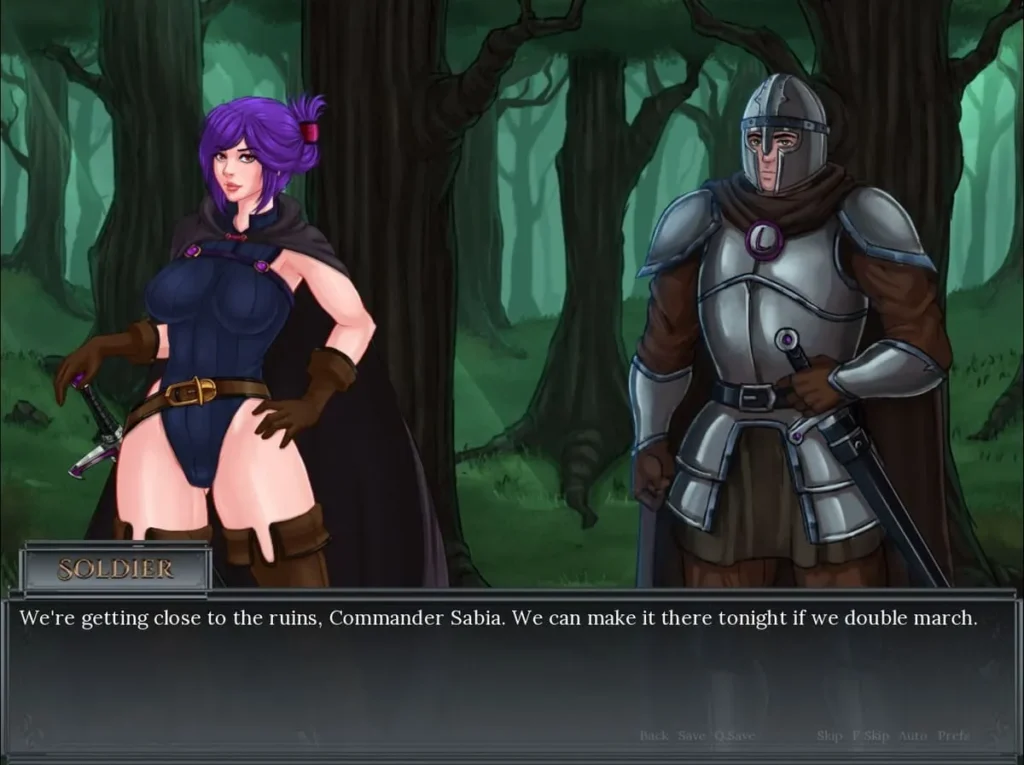
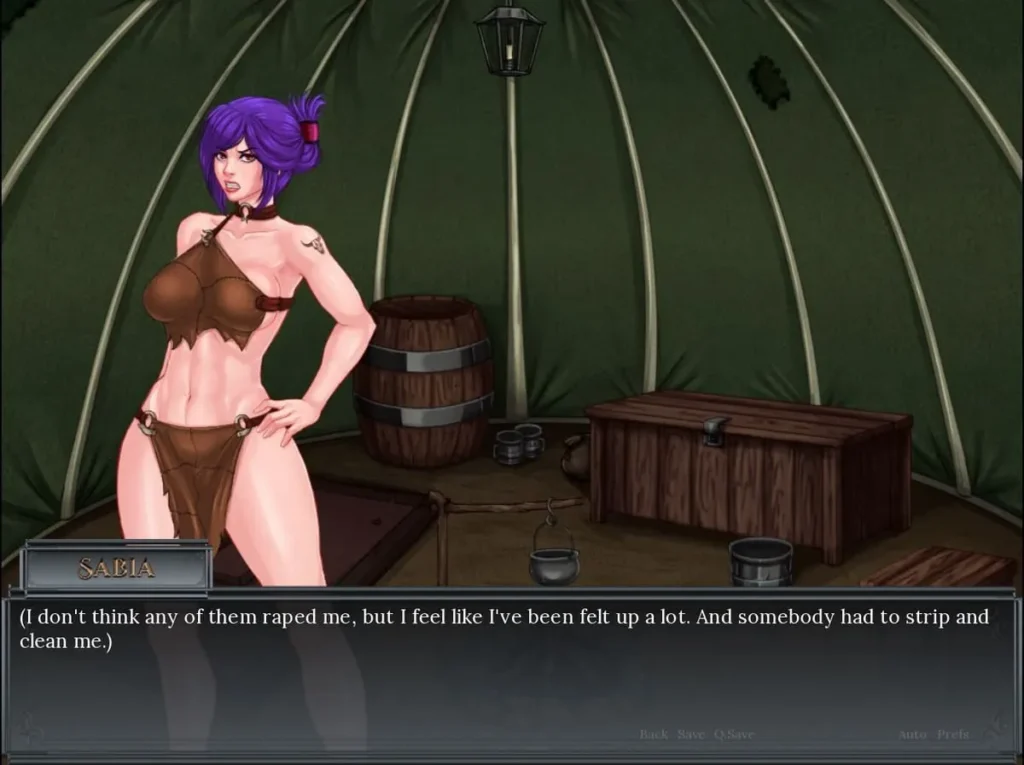
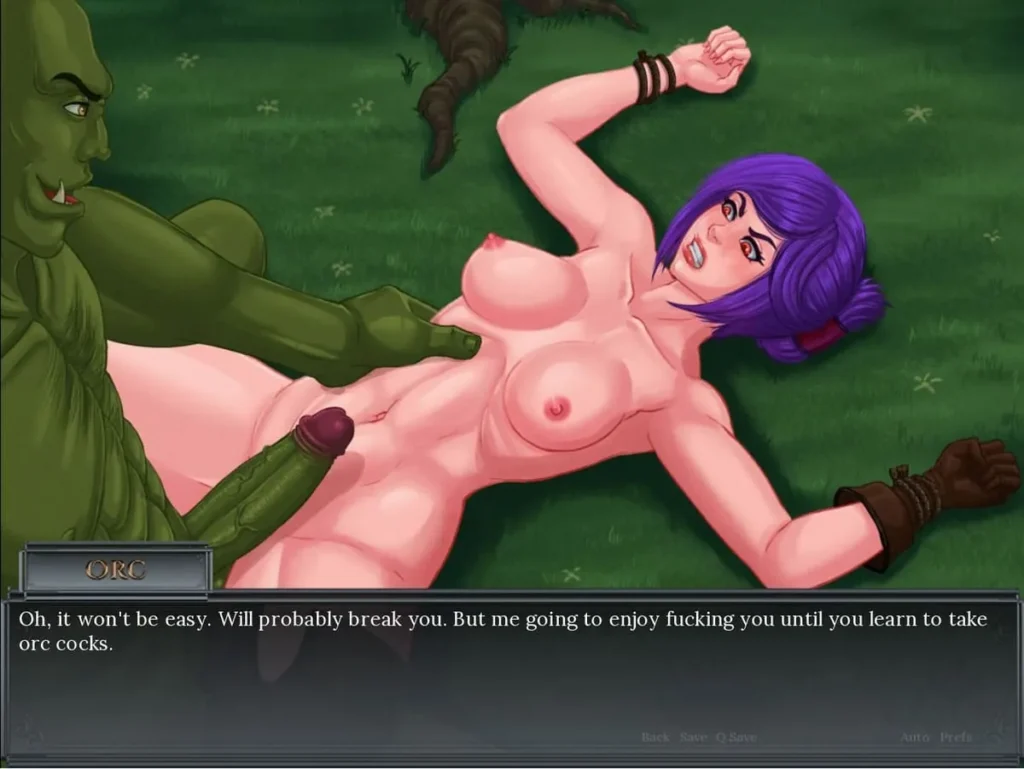
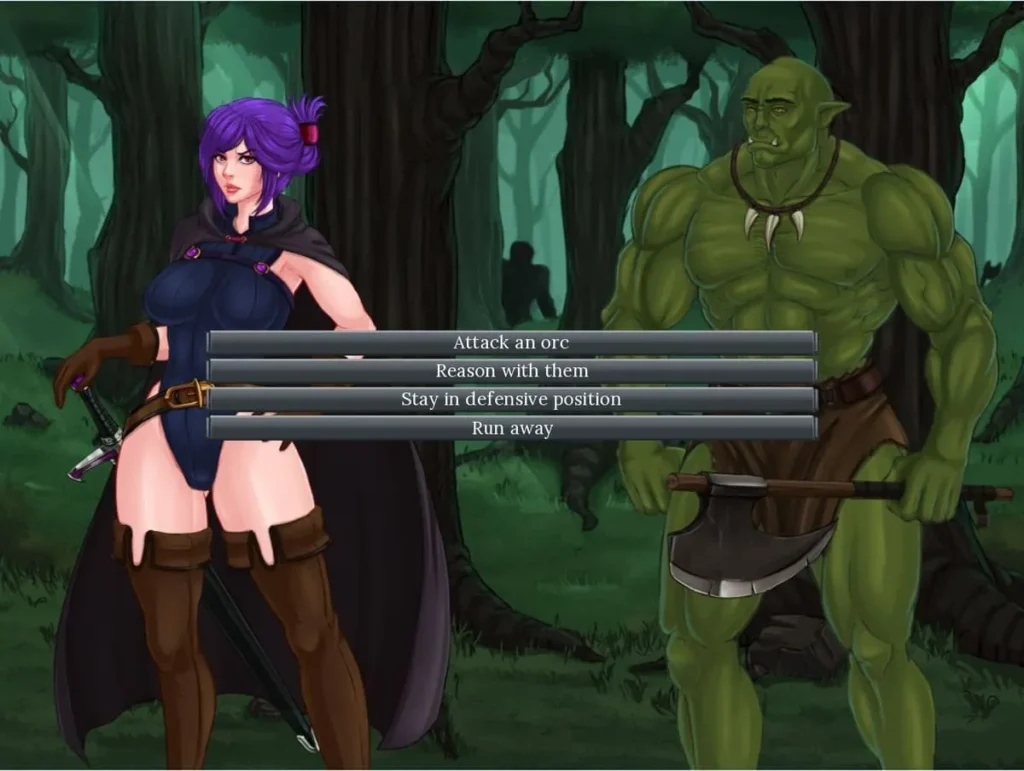
Kingdom of Deception review
Master every choice, route, and ending in this choice-driven narrative experience
Kingdom of Deception stands out as a non-linear narrative game where every decision shapes your story. Unlike traditional linear games, this title emphasizes player agency—your choices determine character relationships, story outcomes, and which endings you unlock. Whether you’re seeking to maximize character affection, discover hidden routes, or understand the game’s branching narrative system, this guide covers everything you need to know. From initial setup to advanced strategy, we’ll walk you through the mechanics that make Kingdom of Deception a unique gaming experience.
Understanding Kingdom of Deception: Game Mechanics & Core Systems
Welcome to the heart of the matter! 🎮 Before you dive headfirst into the political intrigue and personal dramas of Kingdom of Deception, you need to understand the engine under the hood. The Kingdom of Deception gameplay mechanics aren’t just menus and stats—they’re the invisible hands shaping your entire story. Think of this chapter as your royal briefing. We’re going to break down exactly how your choices build relationships, lock you into paths, and ultimately write your unique ending. Master this, and you’ll stop merely playing and start truly ruling.
How Choice-Driven Gameplay Works in Kingdom of Deception
So, what makes a choice-driven narrative game like this tick? It’s simple in theory, but beautifully complex in execution: every single choice matters. This isn’t an illusion. From the moment you create your character and step into the tense atmosphere of the royal court, the game is silently taking notes. 🗒️
I remember my first playthrough. Early on, you’re thrust into the Membership Ritual—a pivotal moment where you must align yourself with a powerful faction. I chose to side with the cunning Spymaster, thinking it was just a one-time alliance. I was wrong. That single decision closed off entire avenues of dialogue with the Military Commander for the next several hours, altered how other characters perceived my loyalty, and even changed the options available during a crucial interrogation scene much later. The game doesn’t have “right” or “wrong” choices, only consequences.
The branching storyline decisions occur in several key formats:
* Dialogue Choices: These aren’t just flavor text. A seemingly polite deflection can be seen as an insult by a proud noble, while a bold challenge might earn the respect of a warrior.
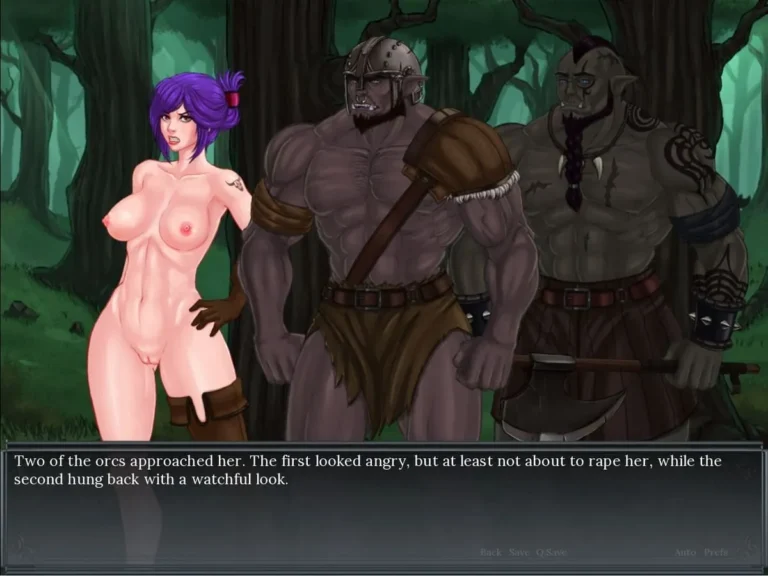
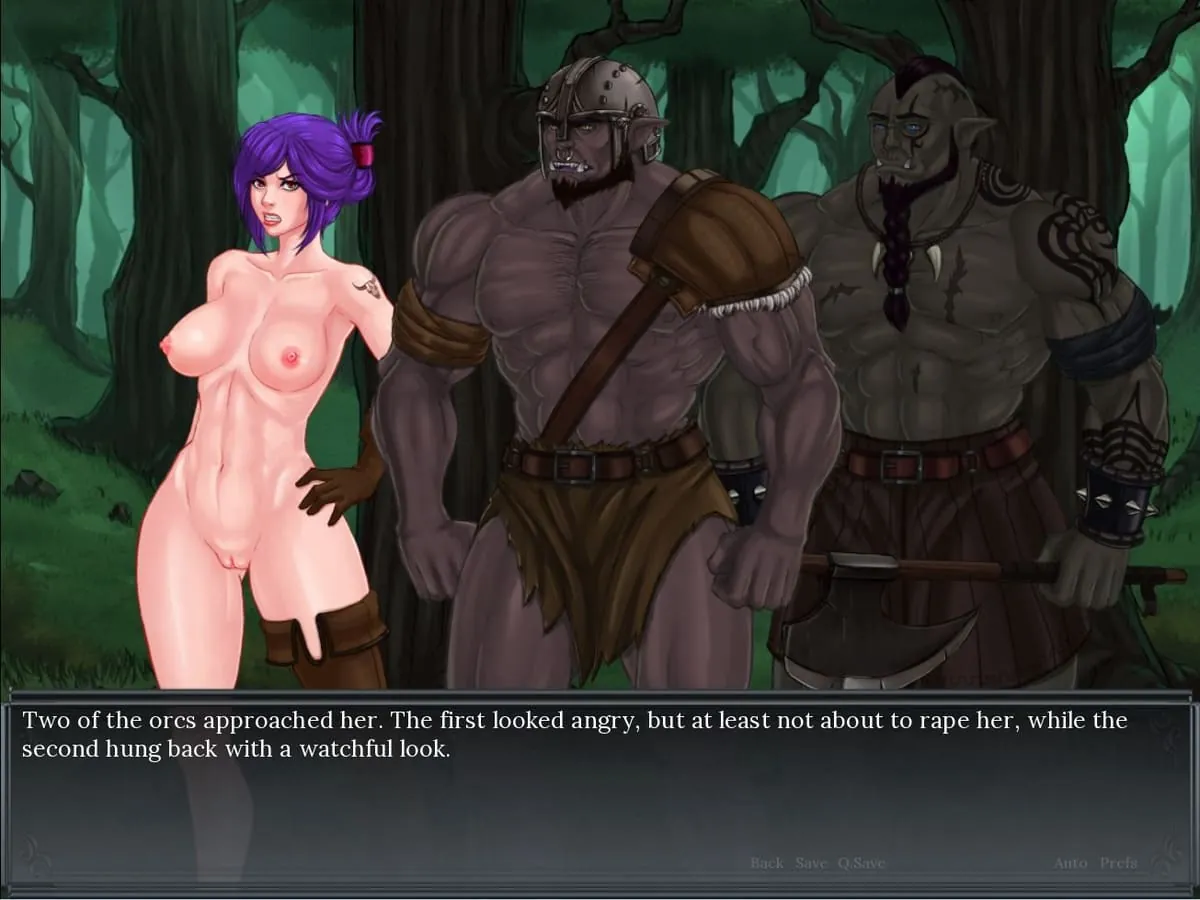
* Action Decisions: During events like Raiding sequences, do you show mercy to captured foes or make a brutal example of them? This directly impacts your reputation.
* Strategic Allegiance: Choosing whom to support in court disputes or where to allocate resources builds your political capital with different groups.
The magic is in the cascade effect. A minor choice in Chapter 2 might unlock a special dialogue option in Chapter 4, which then leads to a unique character-specific questline you’d otherwise never see. To navigate the Kingdom of Deception routes successfully, you must abandon the idea of a single, linear story. You are writing a biography with every click.
Character Affection & Loyalty Systems Explained
Here’s where Kingdom of Deception gets really personal. The character affection system and its companion, the loyalty tracker, are the twin pillars of your social power. You can’t see a numerical score, and that’s intentional. Instead, you must read the subtext: a character’s tone, the extra scenes they grant you, and the secrets they choose to share. 💖
Each major character has an internal meter tracking their affection (personal fondness for you) and allegiance (their practical loyalty to your cause). These are separate! You can have a character who is deeply fond of you but refuses to betray their principles for your scheme, and vice-versa. Managing this balance is the core of the game’s social strategy.
For example, gaining the affection of a reserved scholar might require choosing intellectual dialogue options and supporting their research, even when it offers no immediate benefit. Their allegiance, however, might only shift when you use that research to win a court debate, proving your alliance is strategically valuable.
Key story segments, especially the intense interrogation scenes, are major tests for these systems. Do you use intimidation to force compliance, potentially securing allegiance but destroying any affection? Or do you use persuasion and empathy, which might take longer but builds a much stronger, more genuine bond? The game tracks subtle metrics like influence, autonomy, and commitment based on these interactions, which ultimately funnel you toward vastly different endings.
To see how this works in practice, let’s look at how different approaches with a key character can diverge:
| Situation | Choice Type | Primary Effect | Hidden Long-Term Effect |
|---|---|---|---|
| Confronting a character about a betrayal. | Accuse them publicly with anger. | Immediate allegiance from their rivals; character’s affection plummets. | Locks out their personal questline; they may become an active enemy later. |
| Confronting a character about a betrayal. | Confront them in private, offering a chance to explain. | Character’s affection increases slightly; no immediate political gain. | Unlocks a confession scene; opens a path to secure them as a steadfast ally. |
| Requesting their aid in a raid. | Demand their help as their duty. | They comply (allegiance +), but the interaction is cold. | Future requests may come with escalating demands or resentment. |
| Requesting their aid in a raid. | Ask personally, acknowledging the risk to them. | They comply (affection +); scene includes personal bonding. | They may volunteer help spontaneously in a future crisis. |
Navigating Multiple Routes & Endings
This is the ultimate payoff for mastering the mechanics. The Kingdom of Deception routes are the distinct narrative pathways you forge, primarily defined by which character (or faction) you choose to align with most closely. Think of them as different lenses on the same power struggle. 🔍
You cannot experience everything in one playthrough. A route dedicated to the Religious Council will reveal secrets about the kingdom’s history that a Trade Guild route never touches upon. Your goal shouldn’t be to “see it all” in one go, but to commit fully to a role and see where that specific story takes you. This choice-driven narrative game structure rewards investment and role-playing.
Your ending is the final calculation of all your tracked metrics. The game looks at your key relationships, your political standing, your preferred methods (diplomacy vs. coercion), and the state of the kingdom to generate one of many conclusions. This is why a Kingdom of Deception endings guide is so useful—it helps you understand the cause and effect chain. Are you crowned a beloved ruler? Do you become the power behind the throne? Or does your quest for control lead to the kingdom’s ruin, with you fleeing into exile? Every outcome is a direct reflection of your journey.
To help you visualize the major pivot points, here are the key story segments where your decisions have the heaviest weight in determining your route and ending:
- The Membership Ritual: Your first major allegiance choice. This sets your initial political color and opens up your first primary character route.
- The First Raid: Your tactical and moral approach here establishes your reputation. Mercy or brutality? Personal glory or team success? These labels stick.
- Character-Specific Questlines: When a character offers you a personal mission, always take it. These are the golden threads that lead to deep relationship developments and route-specific story content. Ignoring them is the fastest way to hit a narrative dead end.
- The Mid-Game Crisis (The Betrayal): A unavoidable event where you must choose whom to trust. This decision often solidifies your final route, burning bridges with other factions.
- The Final Sequence of Audiences: Before the climax, you make a round of last appeals to key players. Who you visit, and what you ask of them, uses every ounce of affection and allegiance you’ve built to secure your final allies.
My #1 Tip: Save before each of these segments! 🛡️ The best way to learn the Kingdom of Deception gameplay mechanics is to make a choice, see the immediate reaction, then rewind and try the opposite. You’ll be amazed at how differently a scene can play out.
Ultimately, Kingdom of Deception is a game about identity and consequence. The systems of affection, loyalty, and branching storyline decisions exist to make your version of the story feel earned. There’s no “game over” screen for making a “bad” choice—only a different, often more tragic, but equally valid story. So study these mechanics, understand the weight of your decisions, and step confidently into the court. Your kingdom—and your Kingdom of Deception endings guide—awaits. 👑
Kingdom of Deception delivers a unique gaming experience through its emphasis on meaningful player choice and branching narratives. Understanding the game’s core mechanics—how affection systems work, how decisions cascade through the story, and what conditions unlock different routes—transforms your playthrough from random exploration into strategic progression. Whether you’re pursuing a specific character route, aiming to unlock all endings, or simply enjoying the narrative journey, the strategies and information covered in this guide provide the foundation for success. Take time to experiment with different choices, track how your decisions affect character relationships, and don’t hesitate to replay sections to explore alternative paths. The beauty of Kingdom of Deception lies in its replayability and the discovery of new content with each playthrough.