Play Treasure of Nadia
Treasure of Nadia Screenshots






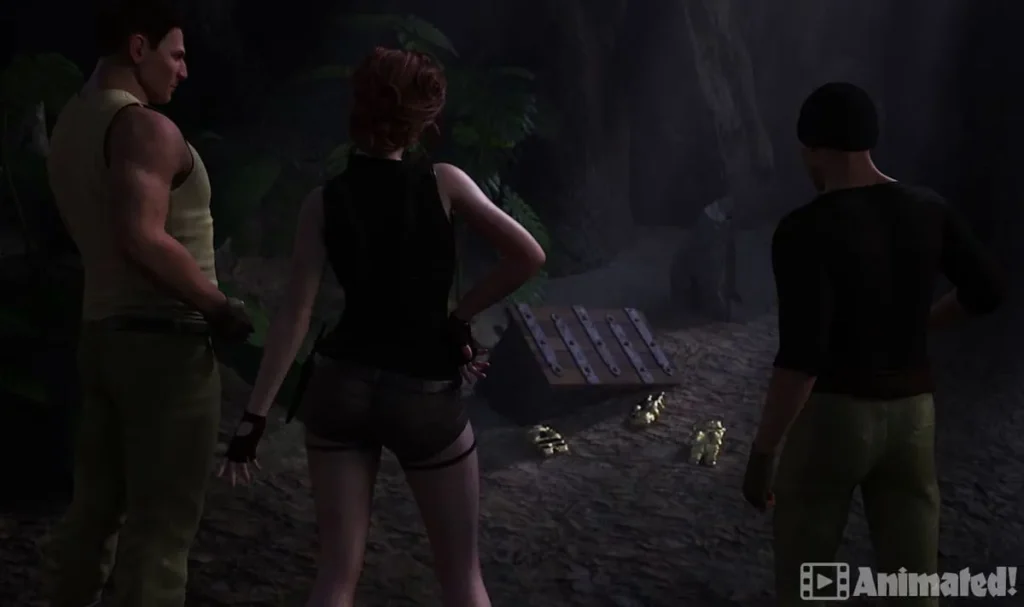








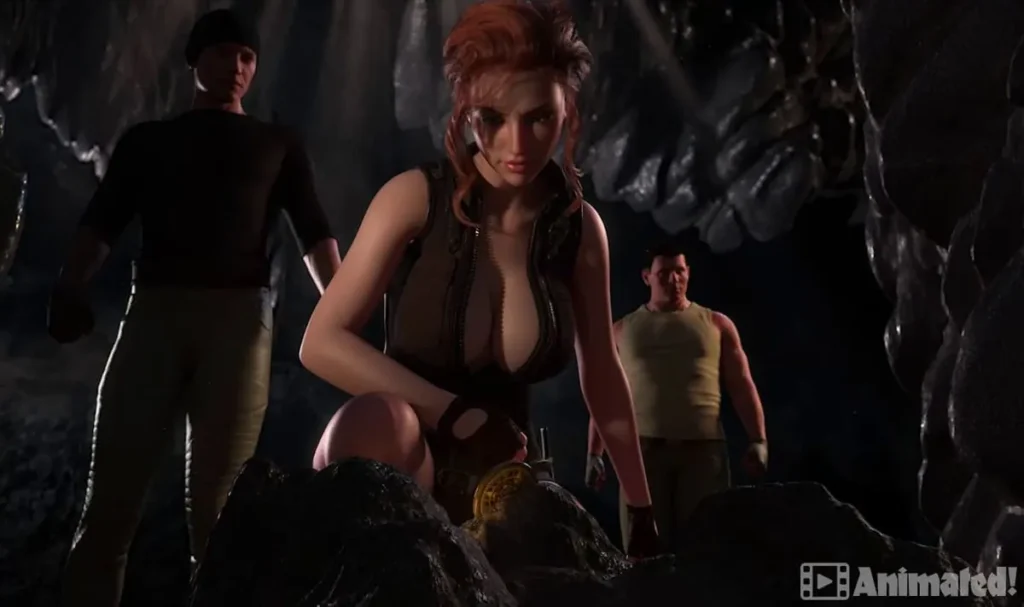
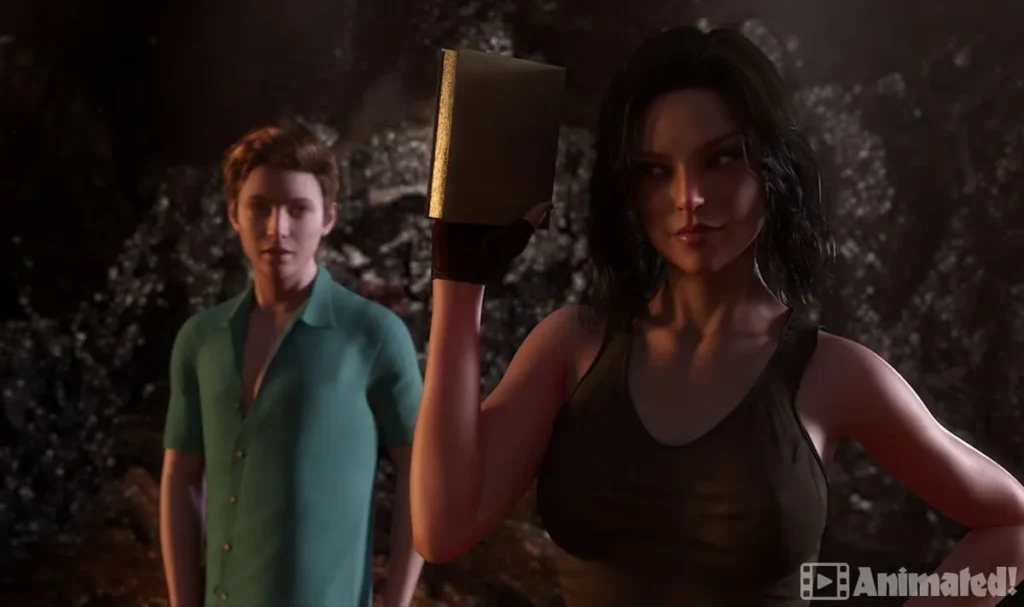
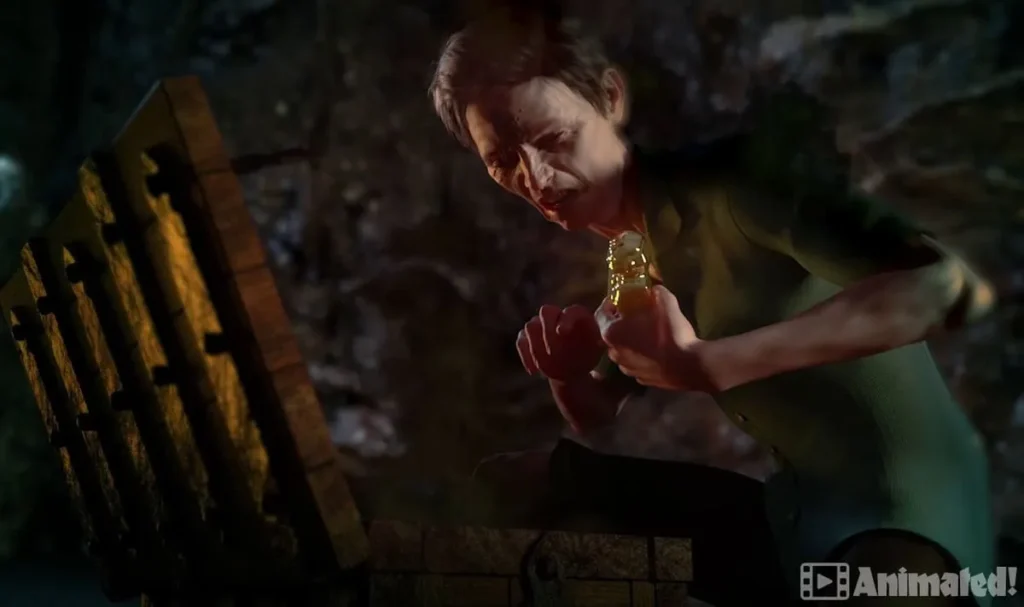










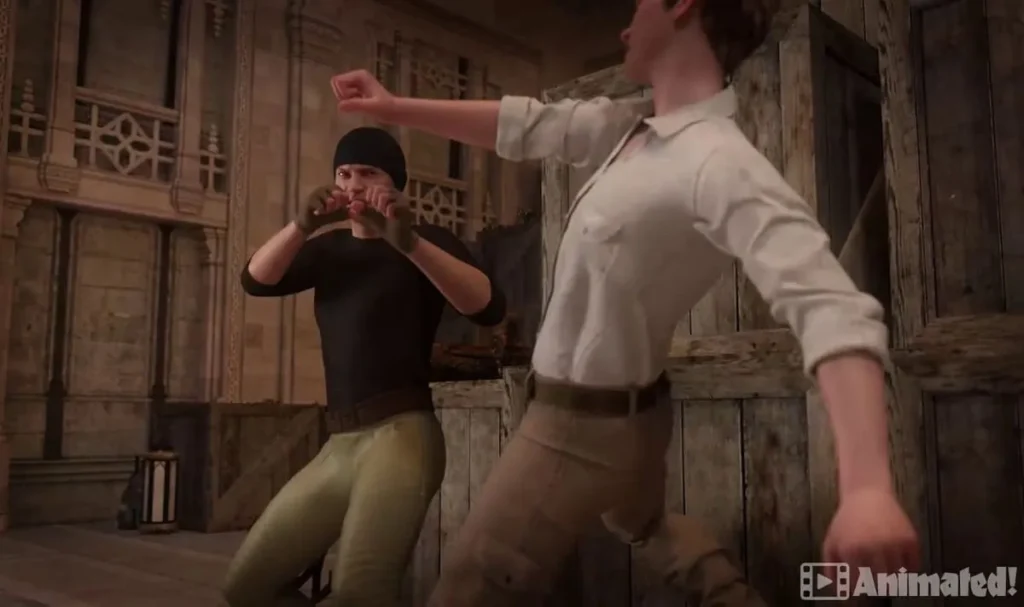



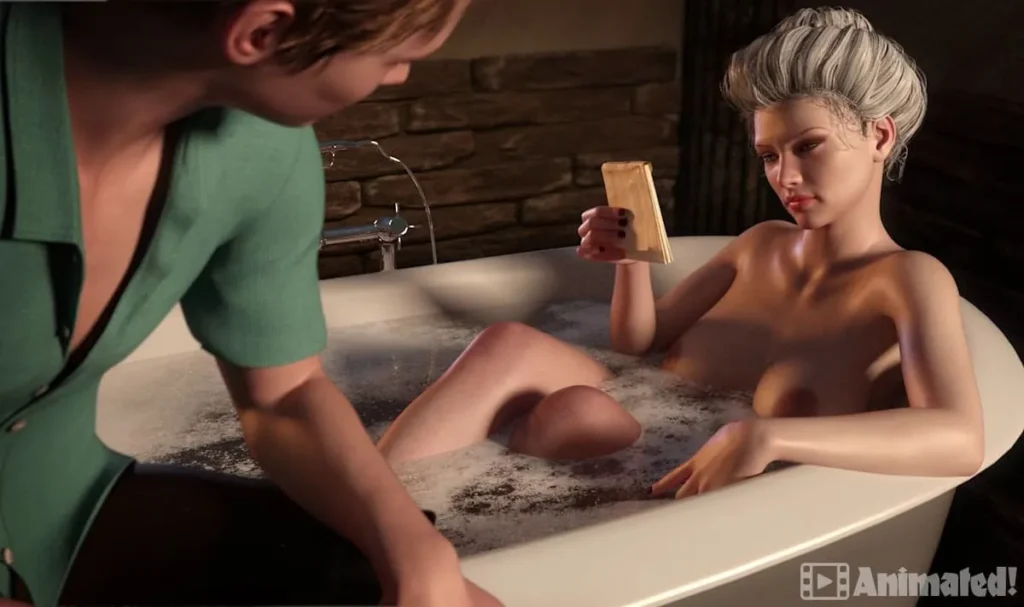



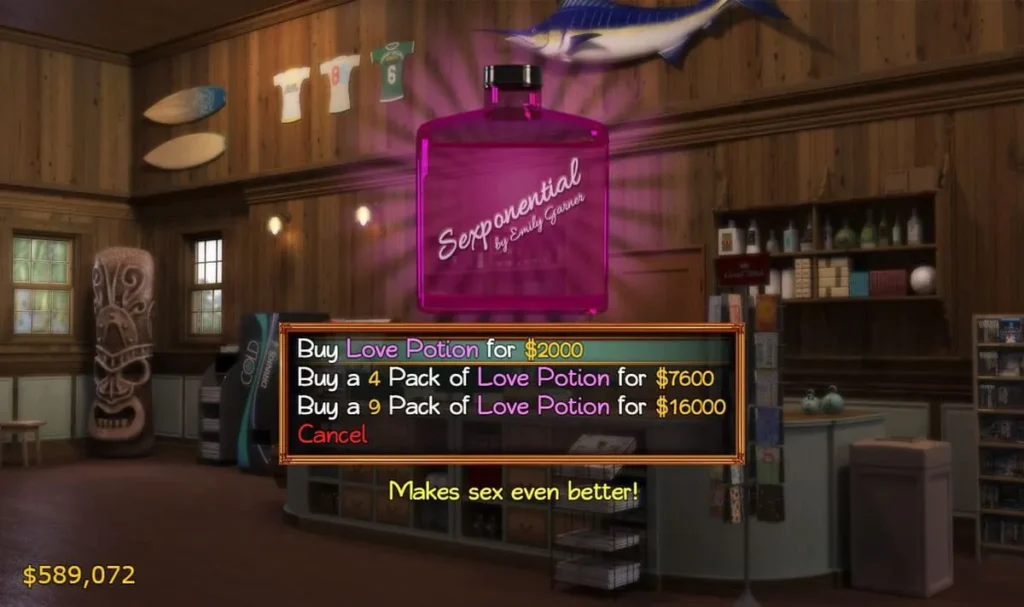

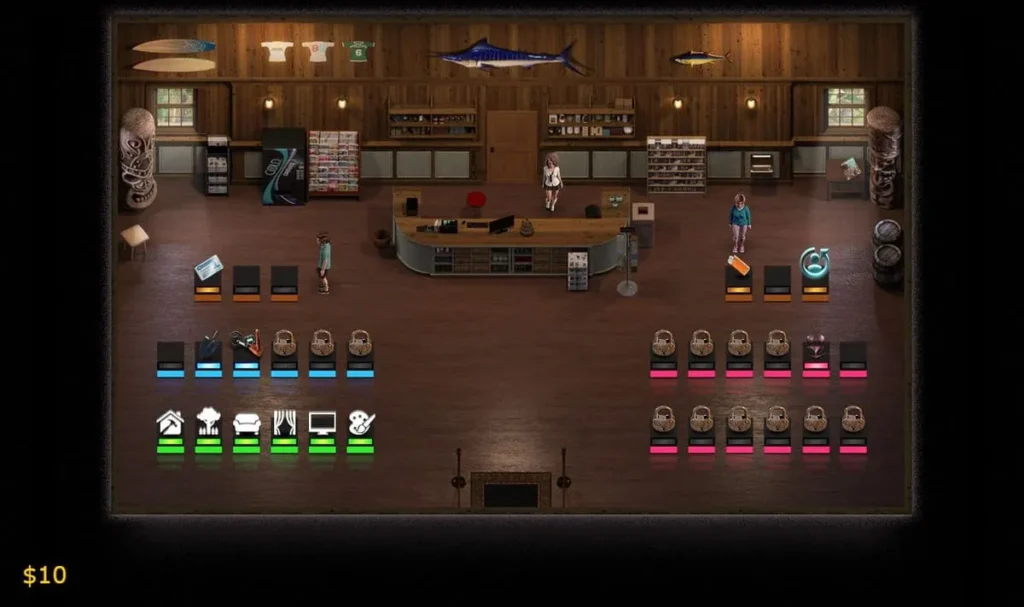

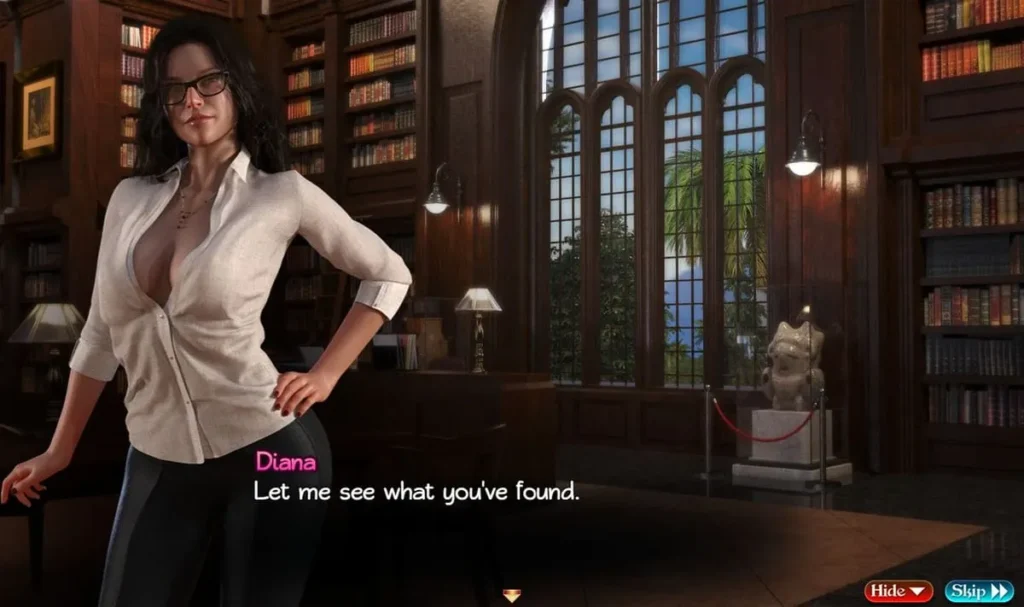



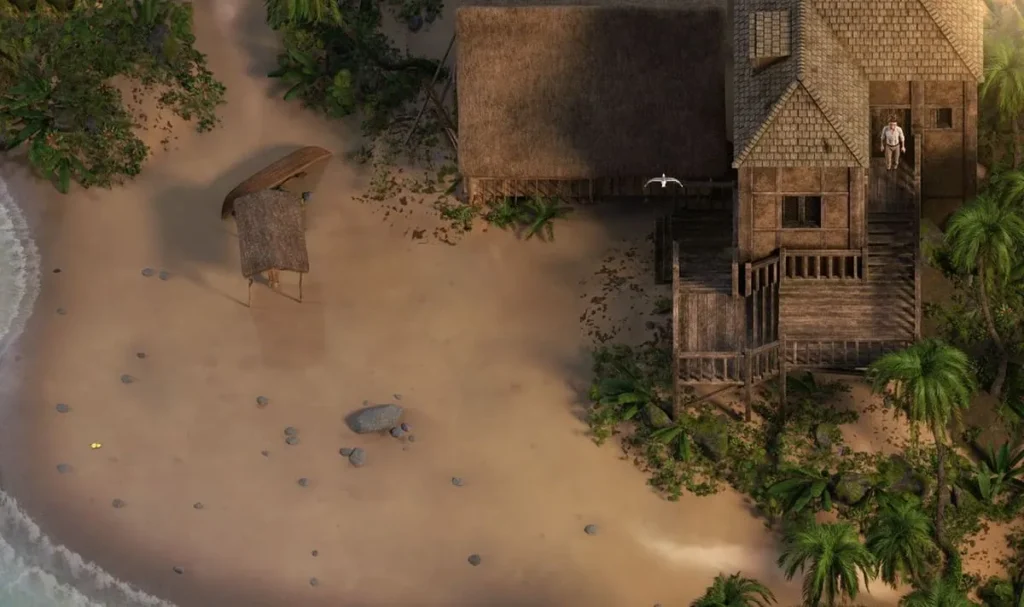

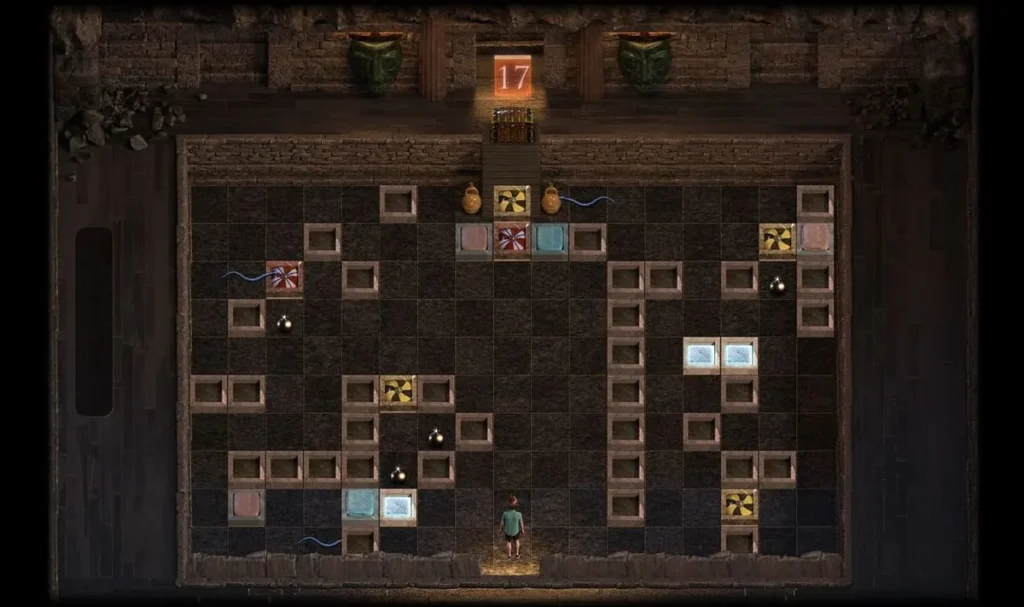
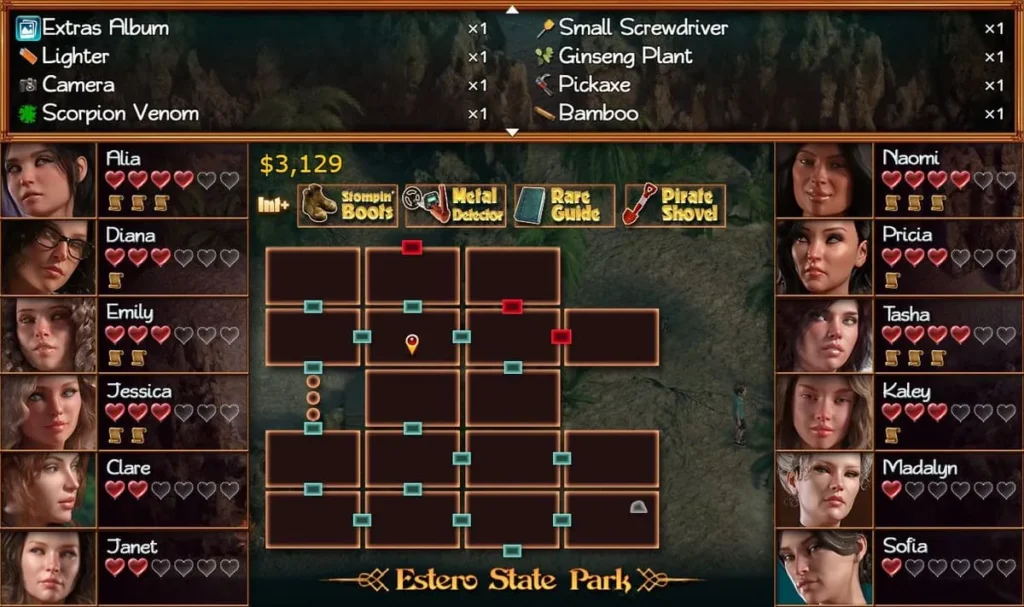
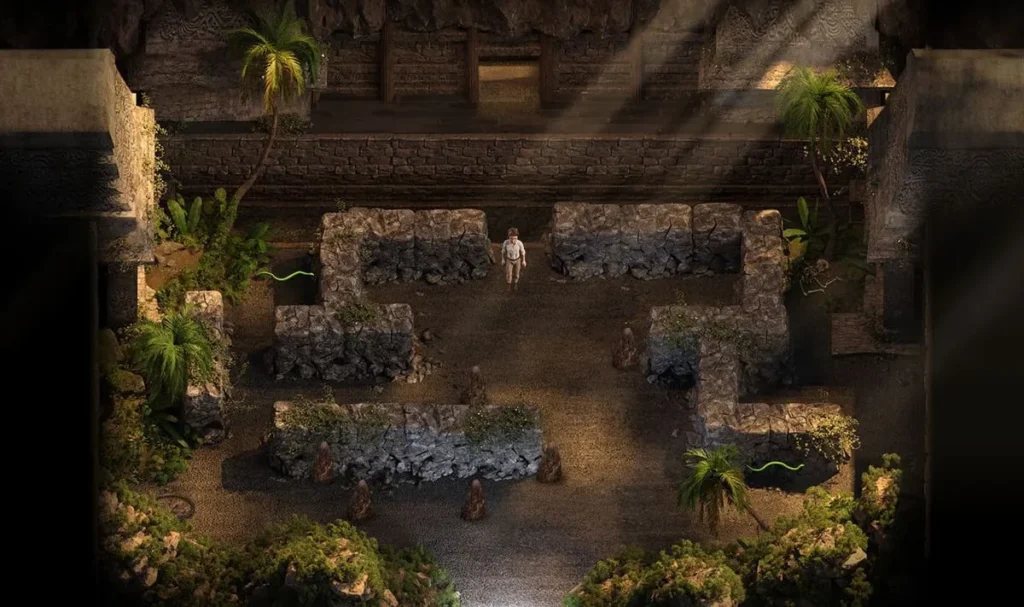
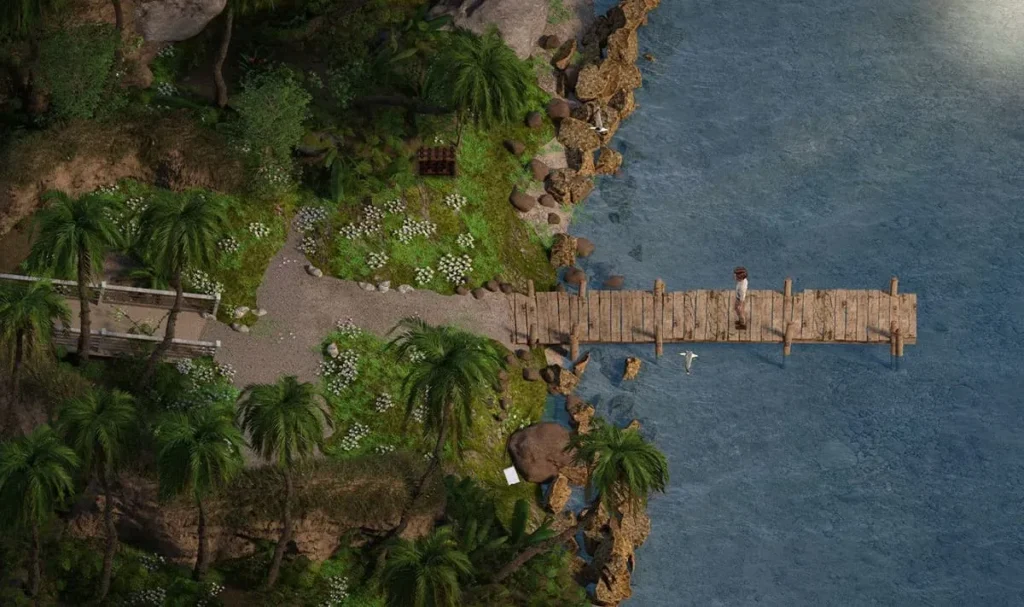
Treasure of Nadia review
Explore Island Secrets, Puzzles, and Relationships in This Gripping Game
Imagine stumbling upon a map to untold riches on a mysterious island, where every step uncovers not just treasures but steamy encounters and mind-bending puzzles. That’s the thrill of Treasure of Nadia, the adult adventure game that’s hooked players with its Indiana Jones vibe mixed with intricate relationships and crafting challenges. I first dove into this world during a late-night session, and hours vanished as I chased clues and built bonds with captivating characters. In this guide, we’ll unpack the gameplay, story twists, and tips to master Treasure of Nadia, helping you navigate its 30-50 hours of replayable content packed with branching paths and hidden secrets.
What Makes Treasure of Nadia an Addictive Adventure?
I still remember the moment that sold me on this game. I was casually poking around the northern beach, thinking I’d seen everything the starting area had to offer. Then, almost by accident, I clicked on a strangely textured section of cliff wall. My character, Alex, commented on it looking unstable. A few swings of a makeshift pickaxe later (which I’d only crafted because I was hoarding everything I found), and boom—a hidden cave entrance revealed itself. Inside wasn’t just a chest with a token reward; it was a cryptic mural that directly tied into the island’s lost civilization and a major character’s secret lineage. That sense of “whoa, I found that!” is the beating heart of Treasure of Nadia gameplay. It’s not just about following waypoints; it’s about your curiosity being genuinely rewarded with pieces of a larger, captivating mystery. 🗺️✨
This seamless blend of discovery, deduction, and progression is what makes the experience so uniquely sticky. You’re not just a passive observer; you’re an active archaeologist, a social connector, and a puzzle-solver all at once. Let’s break down exactly how these elements work together to create an adventure that can easily consume 30 to 50 hours of your time.
How Exploration and Puzzles Drive the Core Experience
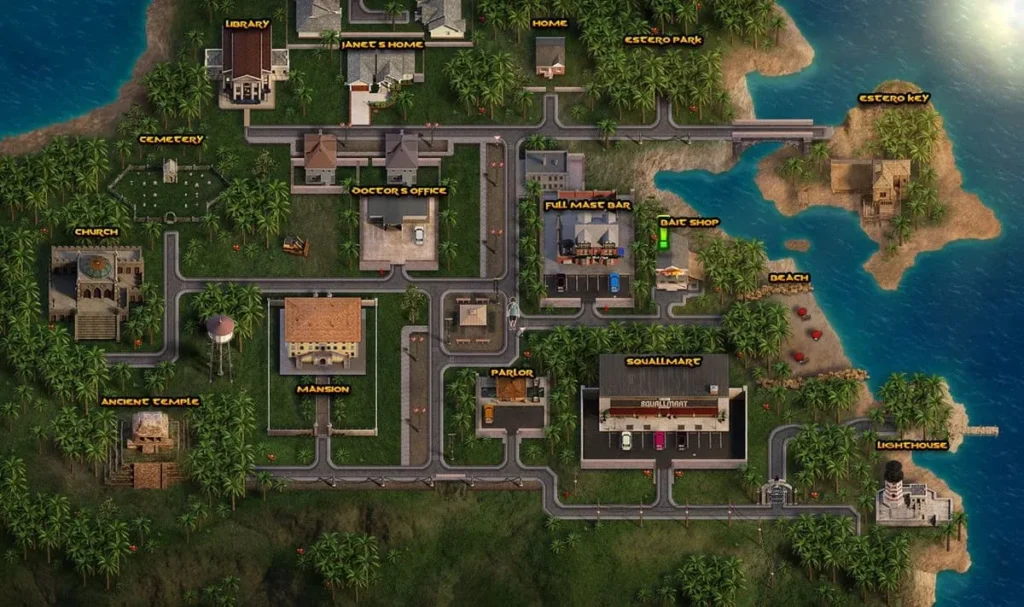
The Treasure of Nadia exploration loop is brilliantly simple yet deeply satisfying. The island is your open-world map, divided into distinct zones like the Jungle, the Beach, the Village, and ancient ruins. Early on, your movement is restricted. A fallen log blocks a path. A treacherous ravine looks un-crossable. A suspicious villager won’t let you near a sacred site. These aren’t just set-dressing; they’re puzzles in the environment itself.
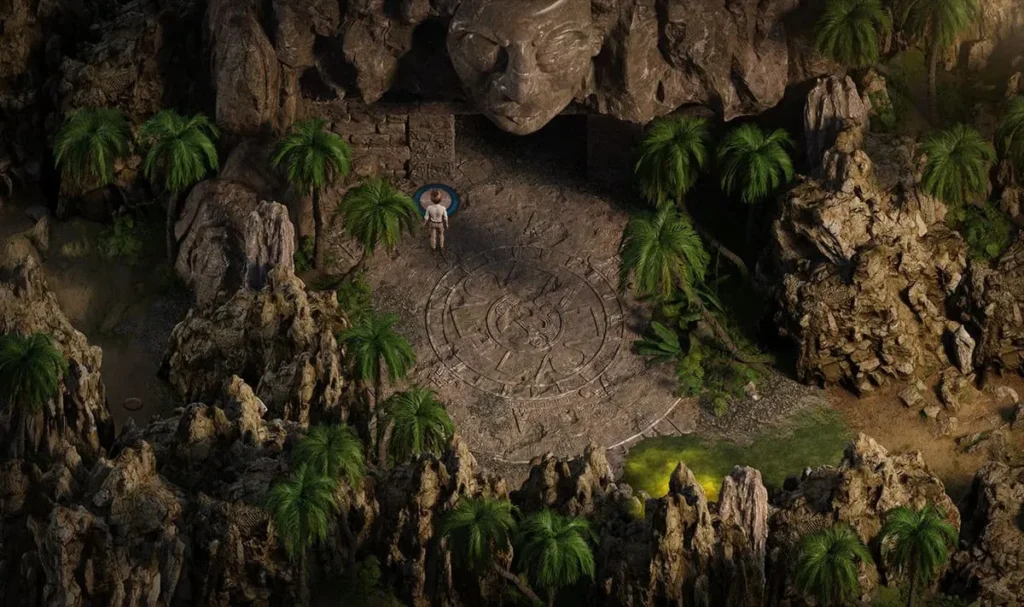
This is where Treasure of Nadia puzzles come into play, and they’re wonderfully integrated. You’re not dumped into a separate “puzzle room.” The puzzles are the environment. You’ll find ancient mechanisms requiring specific gemstones you’ve been collecting, coded messages in a forgotten language that correspond to numbered symbols around the island, or even musical sequences you need to replicate on a stone xylophone. The solution is almost always something you’ve seen or acquired through your own exploration. There’s no guide-dang-it moment; the game trusts you to pay attention.
A pro tip for how to play Treasure of Nadia effectively: talk to every character twice. Seriously. The first dialogue advances the main plot, but the second, often overlooked chat can reveal a hidden side quest, a crucial hint for a puzzle, or even unlock a new level of trust that opens up an area.
The rewards are never just coins or a generic “key.” Solving a puzzle might grant you a unique crafting blueprint, a vital story document, or permanent access to a new zone brimming with its own secrets. This creates a powerful feedback loop: explore to find puzzles, solve puzzles to explore further, which leads to more story and better tools. It feels less like a task list and more like genuine, rewarding adventure.
To visualize how your time is spent in this compelling loop, here’s a breakdown:
| Gameplay Loop | Primary Activity | Estimated Time Investment | Key Rewards |
|---|---|---|---|
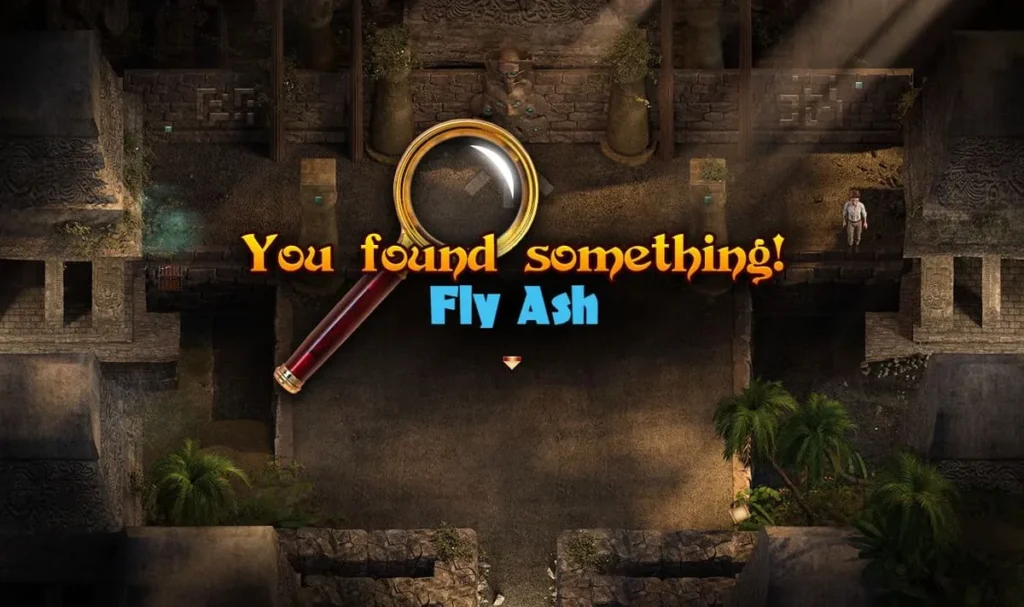
| Exploration & Scavenging | Searching every screen for sparkles (items), examining environmental details, unlocking new map zones. | ~40% of playtime | Crafting materials, journal clues, hidden lore documents, money. |
| Puzzle Solving | Deciphering codes, solving environmental riddles, arranging artifacts, completing tile-matching minigames. | ~25% of playtime | Access to blocked areas, unique artifacts, major story revelations, character trust points. |
| Character Interactions | Conversations, completing quests, giving gifts, building relationships through story choices. | ~35% of playtime | Increased trust (unlocking shortcuts/perks), crafting recipes, new story branches, romantic progression. |
Unveiling the Island’s Mysteries and Crafting System
You can’t talk about Treasure of Nadia gameplay without diving into its brilliant Treasure of Nadia crafting system. This isn’t a superfluous add-on; it’s the essential engine of progression. Almost every barrier you face requires a crafted item. That fallen log? You’ll need a Saw, made from Wood and a Rusty Blade. The dark cave? Craft a Torch with Cloth and Resin. Want to impress a character to gain their trust? Craft a specific gift they’ll love.
The system is intuitive. Your journal acts as both a recipe book and a crafting menu. As you find new items—be it Herbs in the jungle, Ore from mine walls, or strange Relics from puzzles—new recipe possibilities unlock. The genius is in the dual purpose of items. A beautiful Shell might be part of a necklace gift for one character, and a component for a decorative mirror needed in a separate puzzle. This encourages you to think strategically about your resources.
I learned the hard way to save before major decisions! Early on, I used a rare Vine on a basic rope bridge for quick access to a mining area, thinking it was clever. Later, I discovered that same Vine was the only component for a special gift for a key character. Giving that gift was the only way to gain enough trust to enter the Sacred Jungle area. My “clever” shortcut locked me out of an entire region until I reloaded and managed my resources better! 💡🛠️
Here are my top 5 crafting tips for smart progression:
- Always Carry Multi-Tools: Items like the Shovel and Metal Detector are used constantly. Craft them as soon as the recipes unlock. They turn random dirt mounds and beeping spots into vital resources.
- Gift Strategically: Check your journal’s “Gifts” section. Crafting and giving a character’s loved gift (like a Feather Hairpin for Diana) gives a massive trust boost compared to generic gifts.
- Hoard Everything (Early On): You never know if that Strange Mushroom or Shiny Pebble will be critical later. Space isn’t a major issue, so pick up every sparkle you see.
- Revisit Old Areas with New Tools: Got a new pickaxe? Go back to every mine wall. Unlocked the stronger shovel? Re-check all dirt mounds. New resources will appear.
- Prioritize Trust-Based Tools: Some tools, like the Machete for clearing thick vines, are only obtainable by reaching a certain trust level with a character. Focus on those relationships to unlock vital exploration tools faster.
Why Branching Storylines Keep You Coming Back
This is where Treasure of Nadia truly separates itself from linear adventures. The Treasure of Nadia story branches are not an illusion; your choices directly shape the narrative and your access to content. While there is a central, thrilling plot about the eponymous treasure and a sinister cult, your personal journey with the island’s inhabitants is uniquely yours.
Your relationship with each major character is tracked by a trust meter. This isn’t just a number; it’s a key. Reach a certain trust level with the mechanic, and she might fix a vehicle, giving you a fast-travel shortcut. Befriend the scholar, and she’ll translate ancient texts that reveal puzzle solutions. These Treasure of Nadia exploration unlocks are gated by your social choices, making every interaction meaningful.
This directly feeds into the game’s tremendous Treasure of Nadia replayability. There are multiple endings, primarily determined by which relationships you’ve nurtured to their fullest. You cannot see everything in one 50-hour playthrough. Maybe this time, you focus on the adventurous archaeologist, leading to a specific finale and exclusive scenes. On your next run, you might pursue the mysterious local guide, unlocking her personal quests and a different perspective on the island’s secrets. The game acknowledges your focus.
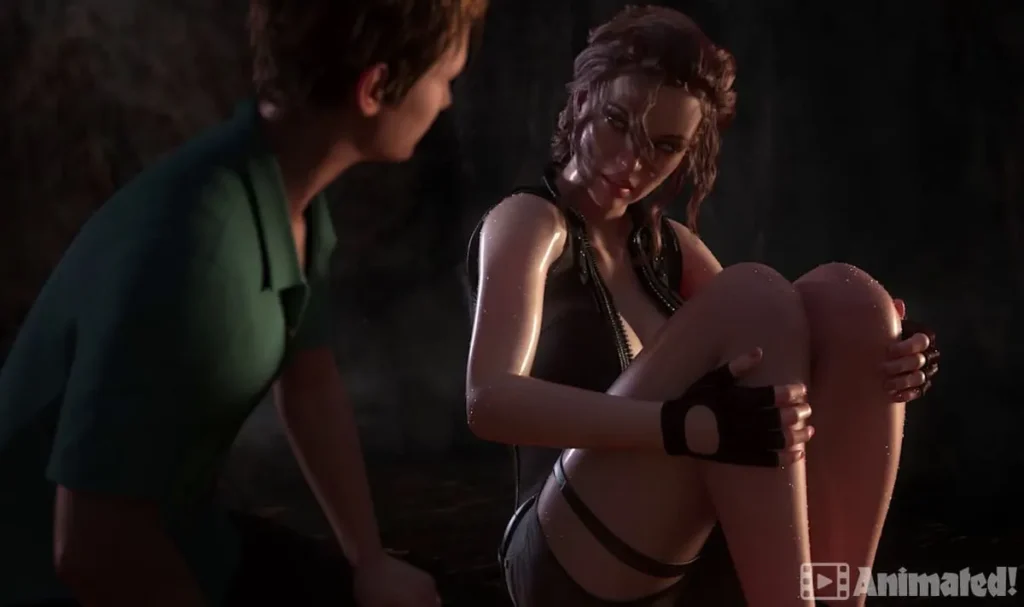
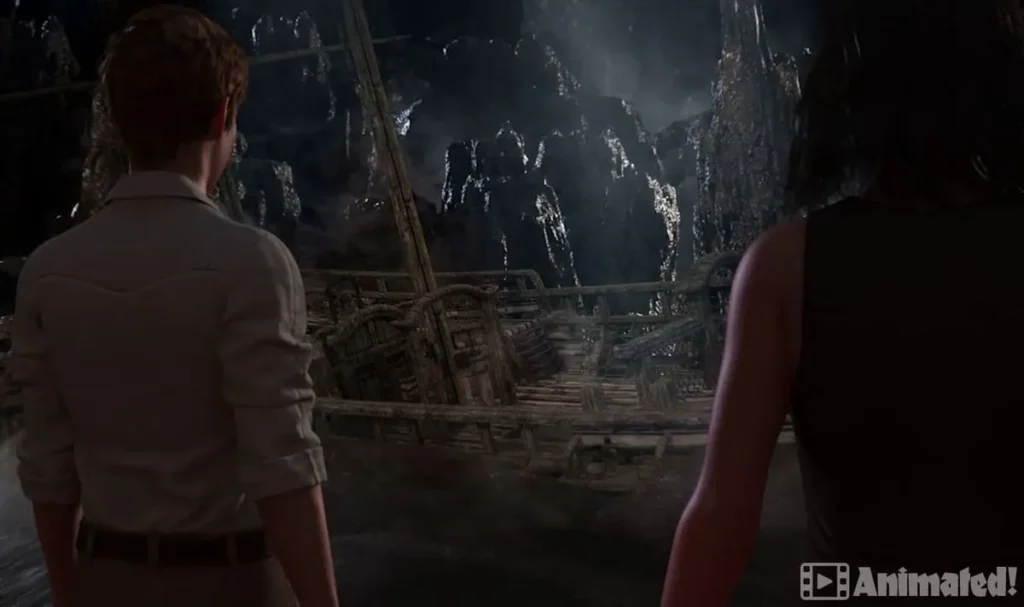
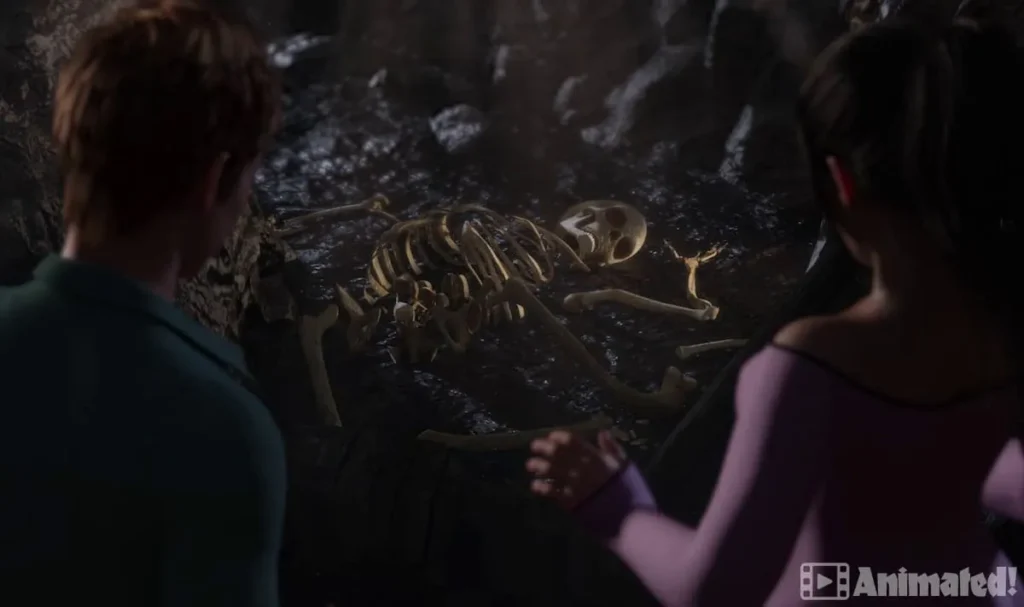
The narrative expertly blends pulpy adventure with genuine character development and mature, consensual relationship building. It’s supported by consistently high-quality visual renders and an atmospheric soundtrack that swings from adventurous trumpets on the beach to eerie, mysterious tones in the tombs. This polish makes the world feel alive and invests you in the outcomes of your choices.
In the end, that’s what makes Treasure of Nadia a standout. It respects your intelligence with its puzzles, rewards your curiosity with its exploration, and honors your choices with its branching stories. It’s a complete package—a genuinely great adventure game that happens to include mature themes, rather than being defined by them. You’re not just hunting for treasure; you’re weaving your own legend on the island, and every playthrough can write a different tale. 🔄🏝️
Diving into Treasure of Nadia feels like uncovering a personal treasure chest of adventure, puzzles, and meaningful connections that linger long after the credits roll. From crafting clever solutions to forging paths through branching tales, this game masterfully blends challenge with excitement. My own journey through its island secrets taught me the joy of patient exploration and bold choices. Ready to claim your own riches? Grab the game, map out your strategy, and let the mysteries unfold—your next favorite obsession awaits.