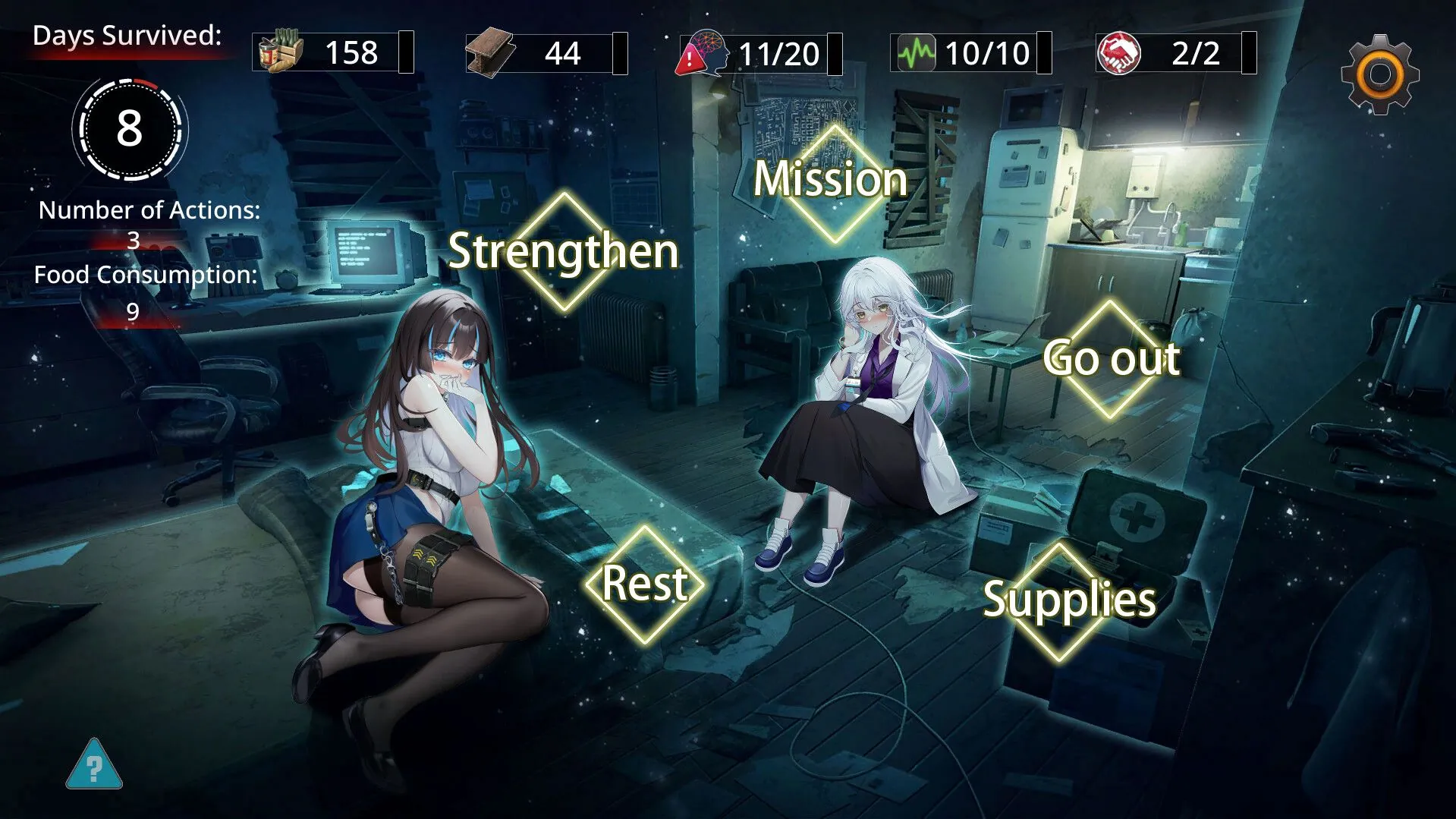
Three Rules of Life
Play Three Rules of Life
Three Rules of Life Screenshots











Three Rules of Life review
Master the Story, Choices, and Secrets in This Gripping Adult Visual Novel
Ever felt like life throws you into a whirlwind of family drama, tangled relationships, and tough choices? That’s exactly what ‘Three Rules of Life’ captures in this addictive adult visual novel. You play as a high school senior reeling from your mother’s sudden departure, forced to repeat the year while uncovering hidden truths among friends, exes, and mysterious figures. Packed with emotional depth, branching paths, and steamy encounters, this Ren’Py game by Red Dust hooks you from the start. I’ll share my personal playthrough insights, key strategies to avoid pitfalls, and how to unlock the hottest scenes—let’s dive into the chaos and come out wiser.
Unraveling the Core Story of Three Rules of Life
It’s a Tuesday like any other, except it isn’t. You stumble downstairs, expecting the usual morning chaos, but the house is silent. 📞 Your father is on the phone, his face ashen. Your mother’s note says she’s gone to her sister’s, but a cold dread tells you—and your character—that it’s not that simple. This is the emotional gut-punch that begins your journey in Three Rules of Life, a family drama visual novel that trades fantastical stakes for painfully real ones. 🏠 The core of this game plot summary is simple yet devastating: in the wake of his mother’s sudden departure, our protagonist, a final-year high school student, spirals. He skips classes, fails his exams, and is forced to live the ultimate academic nightmare—a repeat year story.
This isn’t just a setback; it’s the catalyst. Repeating a year of school means facing the pitying stares of former classmates, navigating a new social hierarchy from the bottom, and, most importantly, having the time and painful clarity to scrutinize the crumbling world around you. The three rules of life game masterfully uses this forced pause to pull you into a web of complex relationships. Fractured friendships from the previous year now feel loaded with unspoken tensions. Your father becomes a distant, grieving stranger. And through it all, the mystery of why your mother left whispers from every empty room and strained conversation. 😔
What Triggers the Family Crisis and Repeat Year?
The trigger is a perfect storm of quiet despair. The mother’s disappearance is less a single event and more the final tear in fabric that’s been fraying for years. As you explore the home in the early chapters, you’ll find subtle clues: a missed anniversary, a cupboard cleared of her favorite tea, a photograph tucked away instead of displayed. The game brilliantly shows, rather than tells, the decades of slow disconnection between the parents.
Your character’s reaction—the skipping school, the failing grades—is a direct, visceral response to this foundational collapse. It feels less like rebellion and more like a paralysis of purpose. If the family unit, the most basic structure of your world, can just vanish overnight, what’s the point of a calculus exam? This emotional logic is what makes the repeat year story so compelling. It’s not just a plot device; it’s a psychologically believable consequence. The game forces you to sit in that failure, making the eventual climb back—if you choose to make it—all the more meaningful. This period of stagnation becomes the crucible where your protagonist’s true journey begins, defined entirely by the moral choices outcomes you guide him toward.
How Do Your Daily Choices Shape the Narrative?
Here’s where Three Rules of Life truly shines. Every day presents a series of seemingly small decisions: do you bother to do homework? Do you reach out to an old friend, or brush them off? Do you press your father for answers, or let him retreat into his grief? This is the core of any great three rules of life walkthrough: understanding that there are no “skip-able” moments. 🎮 Each choice feeds into one of three core moral codes—Honesty, Loyalty, or Self-Preservation—which secretly shape your character’s developing personality.
These aren’t just karma meters; they’re the blueprint for your story. Early, consistent choices solidify traits like Compassionate, Manipulative, Apathetic, or Driven. These traits then unlock or lock away entire narrative branches later on. A compassionate protagonist might unlock a path to genuinely reconciling a friendship, while a manipulative one might turn that same friendship into a tactical asset. The game boasts over 30 unique endings because these choices compound from the very first screen.
Think of it this way: the game is less about picking “good” or “evil” dialogue options, and more about deciding who your character becomes in the face of trauma. Does he become someone who builds bridges, burns them, or simply walls himself off?
To give you a practical sense of this scope, here’s a look at how some early chapter choices can plant the seeds for major plot branches:
- The First Day Back: Choosing to apologize to a former teacher for last year’s behavior can begin a “Driven” path, opening up mentorship opportunities and academic recovery routes later.
- The Old Friend: Asking a former friend what really happened the night you drifted apart can reignite a “Loyalty” path, leading to a powerful ally in personal investigations.
- The Home Front: Cleaning the house without being asked can slowly build a “Compassionate” trait, affecting your ability to connect with your father and uncover delicate family secrets.
- The Easy Way Out: Copying homework or lying about your whereabouts consistently feeds a “Self-Preservation/Manipulative” path, leading to endings where you survive, but often at great cost to your relationships.
| Personality Trait | Core Code | Example Early Choice | Potential Long-Term Effect |
|---|---|---|---|
| Compassionate | Honesty / Loyalty | Listening fully to a friend’s problem instead of brushing them off. | Gains confidants who will provide crucial information or support during family crises. |
| Manipulative | Self-Preservation | Using a peer’s secret to get out of trouble. | Unlocks shortcuts and political gains within the school social scene, but creates volatile enemies. |
| Apathetic | Self-Preservation | Ignoring all attempts at social contact and focusing only on solitary activities. | Leads to isolated endings where the mystery remains unsolved, but the protagonist is emotionally detached from the pain. |
| Driven | Honesty | Committing to a study schedule and sticking to it, despite emotional turmoil. | Opens narrative paths related to academic success and future career opportunities post-graduation. |
Key Plot Twists That Changed My Playthrough
No game plot summary of this depth is complete without discussing its revelations. I’ll avoid outright spoilers, but I want to share a case study from my playthrough that highlights the brilliance of its design. In one run, I was playing a generally honest but somewhat self-involved character. Midway through the year, a classmate casually mentioned seeing my mother at a local pharmacy months after she supposedly left town. In my haste, I chose a dialogue option that was skeptical and slightly dismissive, more focused on my character’s frustration than the clue.
“Her absence isn’t an empty space; it’s a mold growing over everything we used to be. You can’t clean it. You just learn to live with the smell.”
That single, subtle decision—a failure to express genuine curiosity and follow up with care—marked my character as “Closed Off.” Later, when that same classmate uncovered a vital piece of evidence related to my mother’s past, they chose not to share it with me. Why would they? I’d shown no real interest. That major narrative branch, full of shocking family secrets and emotional payoff, was locked away because of a seemingly inconsequential reaction hours of gameplay earlier. It was a breathtaking lesson in how this family drama visual novel treats its narrative cause and effect with utter seriousness.
This is where your protagonist journey tips become crucial. Spot clues everywhere. 👁️ Read the text messages that pop up carefully. Pay attention to the background details in rooms—changed photographs, new items, missing heirlooms. Most importantly, listen to the subtext in every conversation. A character changing the subject abruptly, offering an overly detailed alibi, or expressing an oddly specific fear is often the game handing you a puzzle piece. The plot twists don’t come from nowhere; they’re earned through your observational skills and the emotional intelligence of your choices.
The narrative feels so immersive because it understands that life’s biggest dramas are built from tiny, daily fractures. The three rules of life game isn’t about saving the world; it’s about surviving your own. It asks whether you’ll break under pressure, become hardened by it, or learn to mend what’s broken—starting with yourself. Your three rules of life walkthrough is ultimately a map of a human heart under construction, and every choice is the blueprint. 🧭
Diving into ‘Three Rules of Life’ transformed how I view choices in games and beyond—it’s a raw ride through loss, lust, and self-discovery that sticks with you. From the mother’s vanishing act to steamy entanglements and life-altering decisions guided by those three core rules, every playthrough reveals new layers. My top takeaway? Embrace the chaos, experiment boldly, and savor the consequences. Ready to step into the protagonist’s shoes? Grab the latest version, hit play, and share your wildest ending in the comments—I’d love to hear how your story unfolded.