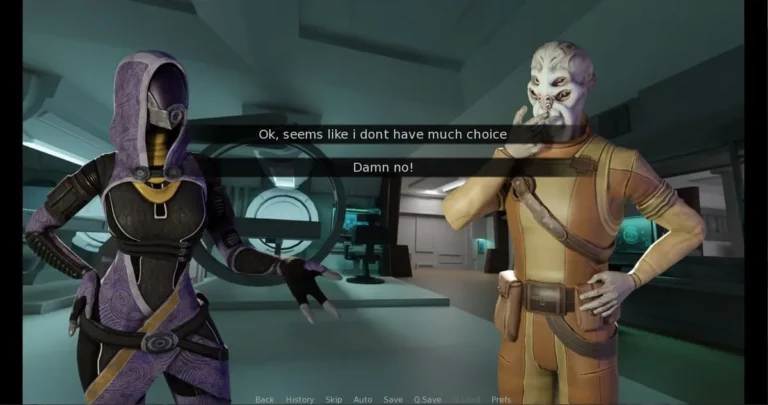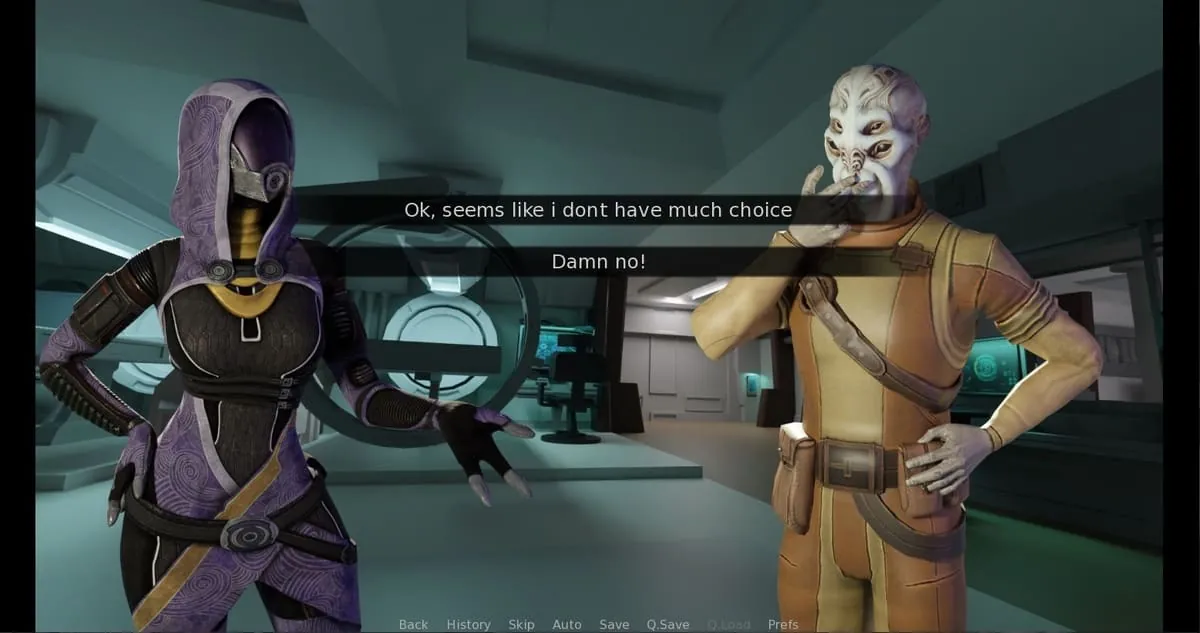
The Pilgrimage
Play The Pilgrimage
The Pilgrimage Screenshots

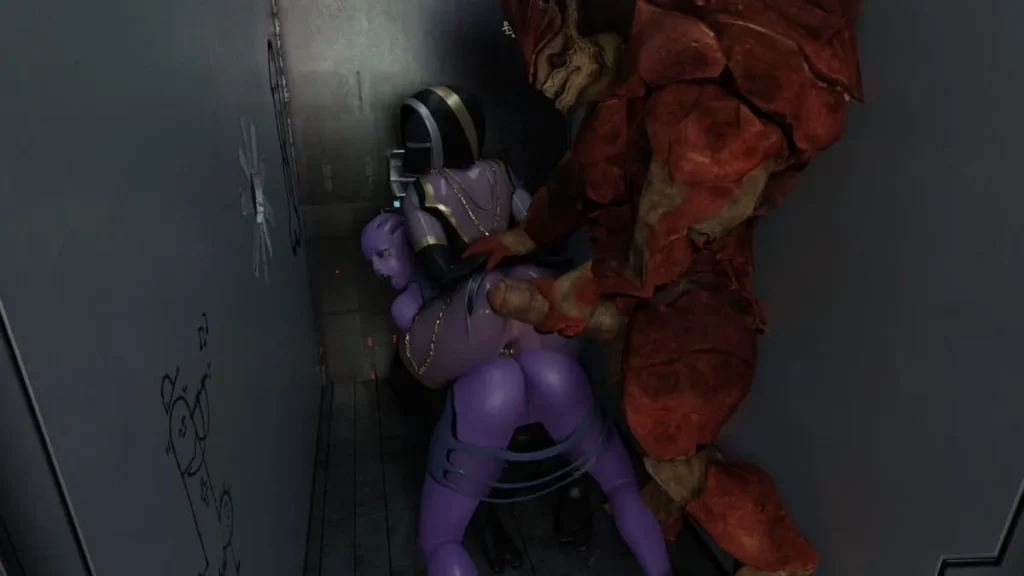
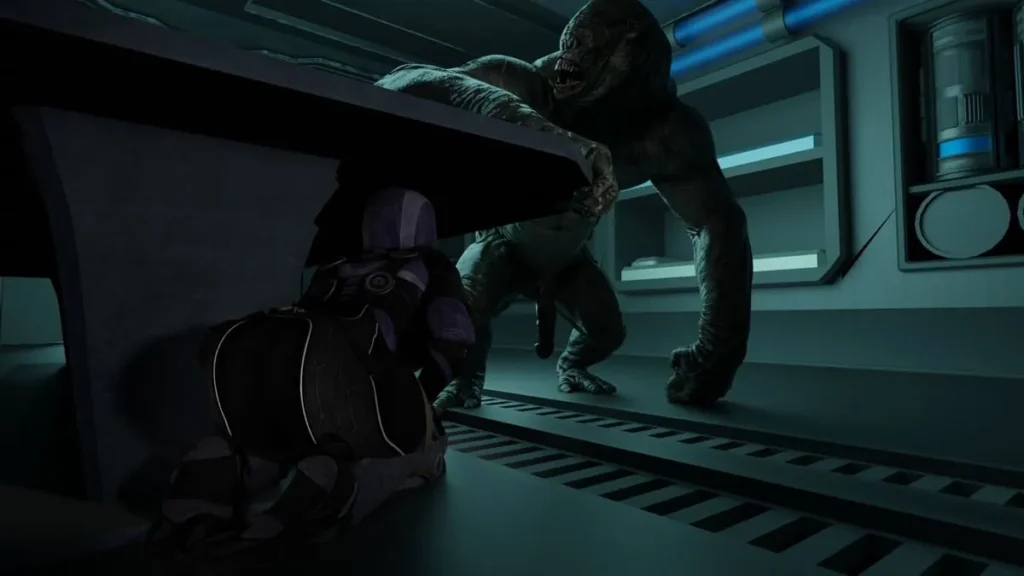
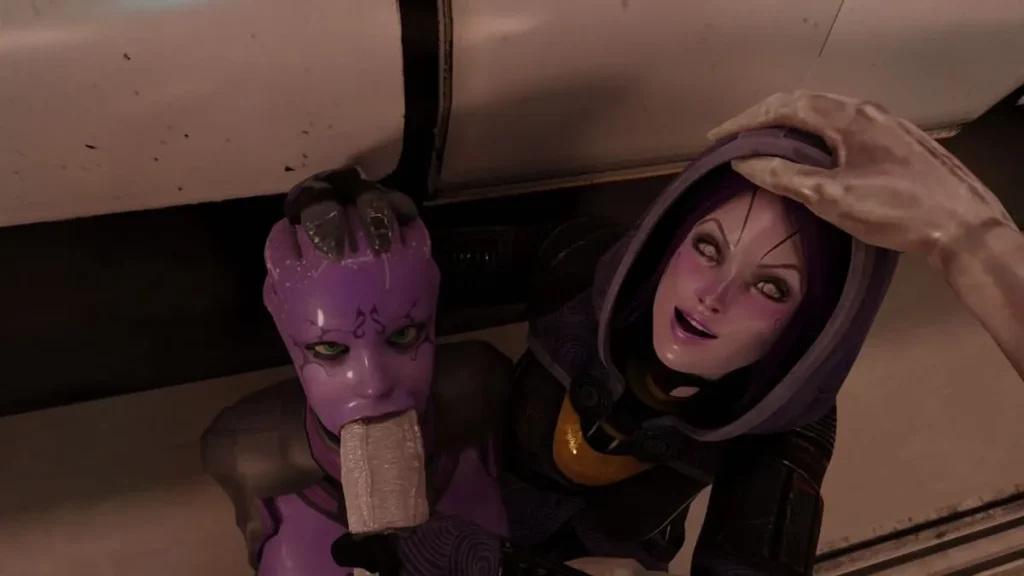
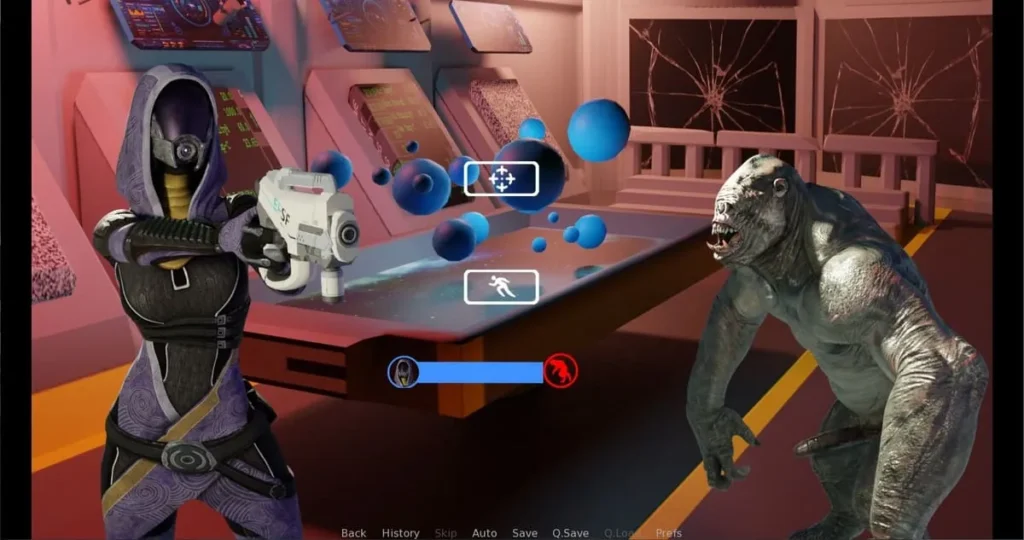
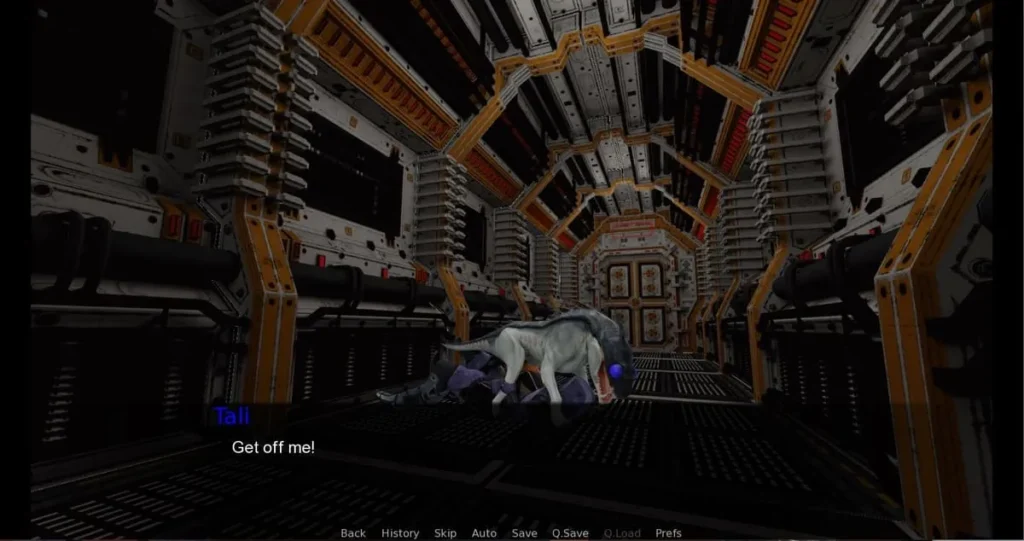

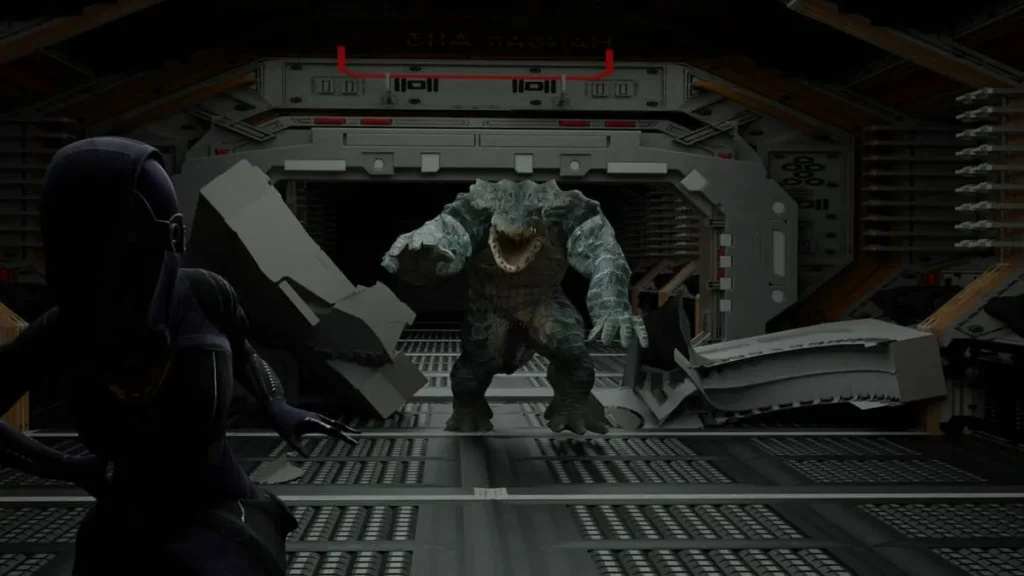
The Pilgrimage review
Explore Anaya’s Rebel Journey in This Tactical Adventure
Ever felt the thrill of defying family expectations while battling in a world torn by faith and war? That’s the hook of The Pilgrimage, the captivating game where you guide Anaya, a circus rebel, through tactical encounters and deep story twists. I remember my first playthrough—pausing mid-battle to position skills perfectly, heart racing as faith crises unfolded. This guide dives into its ATB combat, character arcs, and why it’s a must-play for tactical fans. Whether you’re dodging forced marriages or hunting holy artifacts, The Pilgrimage blends strategy and storytelling like no other. Let’s embark on this journey together.
What Makes The Pilgrimage Gameplay So Addictive?
I still remember the exact moment The Pilgrimage gameplay truly clicked for me. I was facing a brutal commander in the sun-scorched canyons of Anaya’s rebel trail, my party battered and my resources low. In a panic, I mashed a button, only to watch my healer dash directly into a pack of enemies, getting obliterated before her spell could land. I was ready to rage-quit. But then I noticed it: the action had frozen. Time had stopped, not because I’d paused the game, but because the brilliant ATB combat system had given me a precious, thoughtful breath. It was in that quiet, tactical pause that I saw the solution—a different position, a smarter choice. That tension, followed by the triumph of a perfectly executed plan, is the heart of what makes this tactical adventure so utterly compelling. 🎮
How Does the ATB Combat System Work?
Let’s break down the brilliant engine driving every fight. The ATB combat system in The Pilgrimage stands for “Active Time Battle,” but it’s been masterfully evolved for a modern tactical experience. Here’s the magic: each character and enemy has an independent action gauge that fills in real-time. When a gauge is full, that unit can act. This creates a dynamic, flowing battle where you’re constantly assessing threats and opportunities.
The game-changer, and my favorite feature, is the tactical pause. Unlike some systems where you’re frantically clicking as gauges fill, The Pilgrimage lets you stop time whenever any party member’s action gauge is ready. This isn’t a cheat; it’s your strategic command center. You can calmly survey the battlefield, queue up moves for all your characters, and plan intricate combos without a shred of pressure. This elegant fusion of real-time tension and turn-based strategy is what elevates The Pilgrimage gameplay from a simple brawl to a cerebral chess match. You’re not just reacting; you’re orchestrating. ⏱️⚡
Pro Tip: Use the tactical pause before your healer’s turn comes up. Scan the field for incoming big enemy attacks and pre-position them safely to avoid that mid-cast interruption.
Mastering Positioning and Skill Targeting
This is where The Pilgrimage separates the casual rebels from the master tacticians. Tactical positioning in Pilgrimage isn’t a suggestion; it’s the law of the land. Every skill, from a warrior’s cleave to a mage’s firestorm, interacts with the 3D battlefield in specific ways. Your success hinges on skill targeting in The Pilgrimage.
You need to think in terms of zones and vectors. Simply selecting an enemy and firing is a sure path to wasted turns. The real power lies in skills that affect areas, lines, or cones. Placing your warrior just right to cleave through three enemies instead of one is a force multiplier. Even more critical is understanding that many powerful enemy attacks are telegraphed on the ground with red zones—moving out of them is your first and most important defensive action.
Here’s a quick guide to the primary skill archetypes you’ll command:
| Skill Type | Range/Area | Primary Effect |
|---|---|---|
| Area of Effect (AoE) | Circle around a target point | Hits all enemies within the radius. Perfect for clustered foes. |
| Close Range / Cone | Short range in a frontal arc | High damage to enemies in front of your character. Riskier positioning. |
| Ground Target | Customizable placement on terrain | Allows precise placement of hazards, healing zones, or delayed explosions between enemies. |
Mastering this table is key to damage optimization in Pilgrimage. For instance, using a ground-target acid pool between two enemies forces them to either stand in the damage or break formation, often pushing one into the perfect spot for your ally’s close-range cone attack. This layered planning is the core of advanced The Pilgrimage gameplay. 🎯
Tips for Optimizing Damage and Healing
So, how do you turn this knowledge into consistent victory? Let’s talk strategy. Your goal in every encounter is a simple equation: maximize your output while minimizing the enemy’s. Here’s how.
For Damage:
True damage optimization in Pilgrimage starts before you even attack. Use the tactical pause to “solve” the battlefield. Can you soften up multiple targets with one Area of Effect spell before your physical attacker finishes them off? Always check if an enemy has a vulnerability (like a “Shattered Armor” debuff) and focus your big hits there. Remember, a controlled, positioned multi-hit will always out-damage a series of frantic single-target strikes.
For Survival:
Learning how to heal in Pilgrimage is about anticipation, not reaction. Your healer’s most important resource is time, not mana. If they spend their turn running away from danger, they’re not healing.
– Position Healers Safely: Keep them at the back, using elevated terrain or other party members as buffers.
– Heal Proactively: If you see a massive enemy attack charging, top up your team before it lands, even if they aren’t critically low.
– Use Regeneration Effects: Applying a heal-over-time effect at the start of a tough phase is often more action-efficient than casting big heals repeatedly.
Let me share a quick Pilgrimage battle tips story. In a late-game fight against a beast that summoned minions, I was overwhelmed. Instead of focusing the boss, I used my scout’s ground-target smoke bomb to group all the minions together. One perfectly placed mage meteor later, they were gone, and I could focus the boss with my full team. The fight went from hopeless to manageable in one move. That’s the “aha!” moment this game delivers again and again.
Here are 5 actionable Pilgrimage battle tips to take into your next skirmish:
- Pause and Plan 🤔: Never feel rushed. Use the tactical pause constantly to assess the situation and queue precise moves.
- Read the Terrain 🗺️: Use choke points to bunch enemies up for AoEs, and always put ranged units on high ground for defensive bonuses.
- Focus Fire with Debuffs 🔥: Coordinate your team. Have one character apply a defense-down debuff, then have your heaviest hitter target that enemy on their next turn.
- Prioritize Threats ⚠️: Always target enemy healers or casters first if you can safely reach them. Letting them act freely will prolong the fight and drain your resources.
- Practice Skill Synergy 🤝: Learn which of your characters’ skills combo well. A freeze spell that immobilizes, followed by a shatter skill that does bonus damage to frozen targets, is a classic example.
The beauty of The Pilgrimage gameplay is its endless replayability. Each battle is a dynamic puzzle where tactical positioning in Pilgrimage and clever skill targeting in The Pilgrimage are your tools. Start by mastering the ATB combat system’s pause, then experiment with pulling off those satisfying, multi-enemy hits. Remember, every defeat is just a lesson in positioning. Now get out there and lead Anaya’s rebellion to victory! ✊
Diving into The Pilgrimage took me on a wild ride of tactical battles, faith-shaking stories, and Anaya’s fierce independence—from circus escapes to holy artifact hunts amid religious wars. The ATB system and smart positioning keep every encounter fresh and thrilling. If you’re craving a game that mixes strategy with personal rebellion, grab it now from itch.io and start your own pilgrimage. Share your epic battle stories in the comments—what’s your go-to positioning trick? Let’s keep the adventure going.