Rightful Ownership
Play Rightful Ownership
Rightful Ownership Screenshots

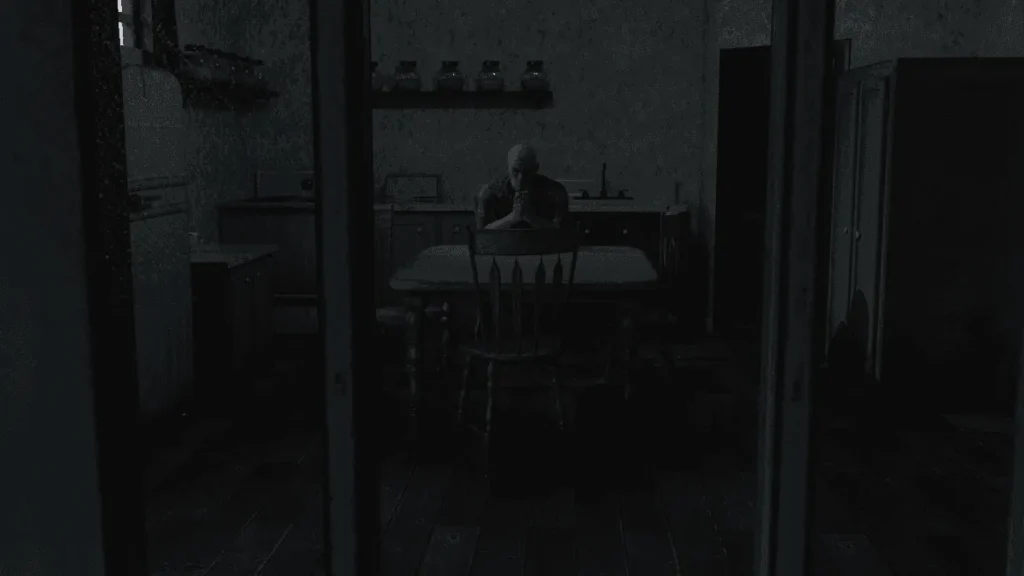
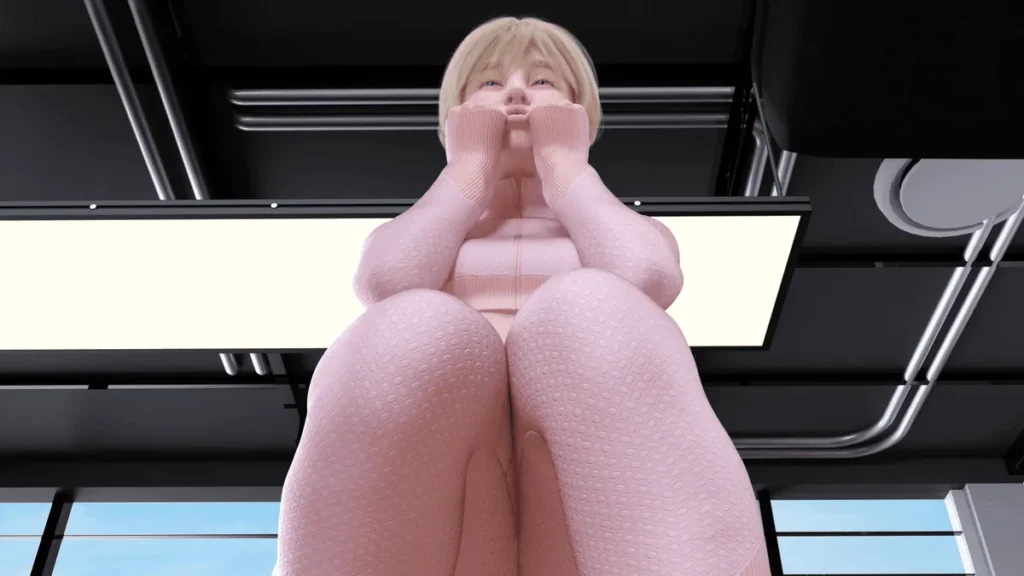
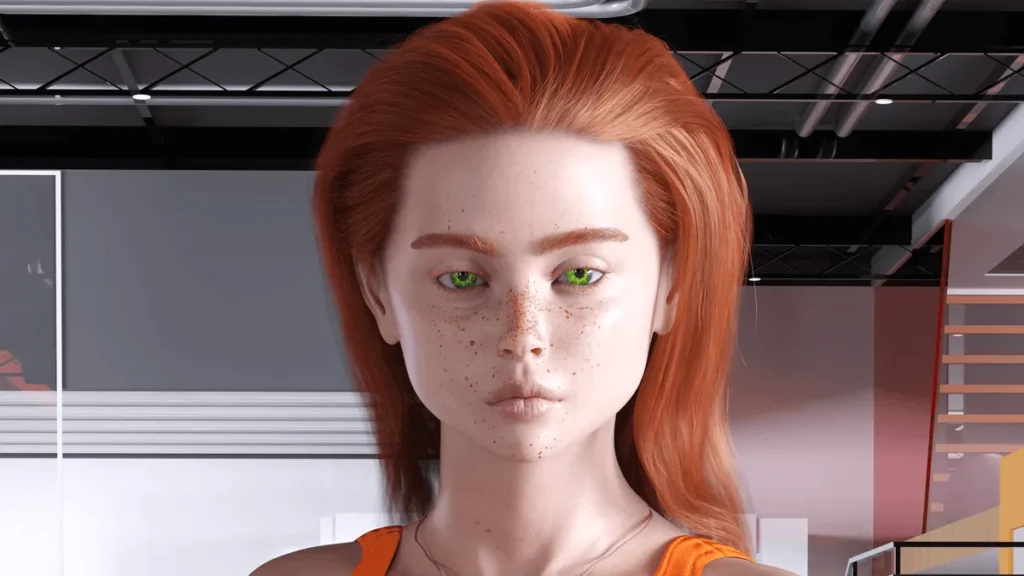



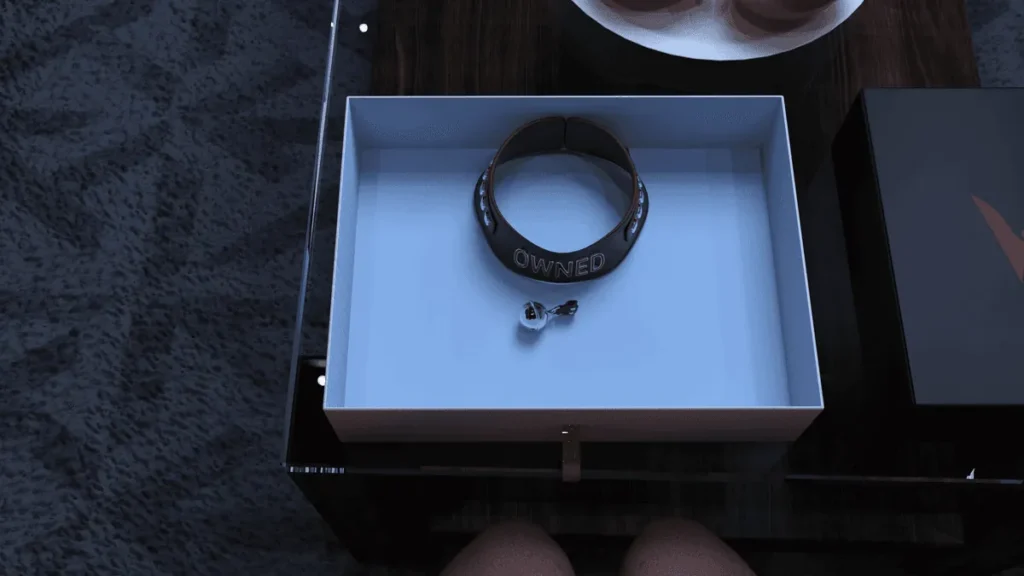
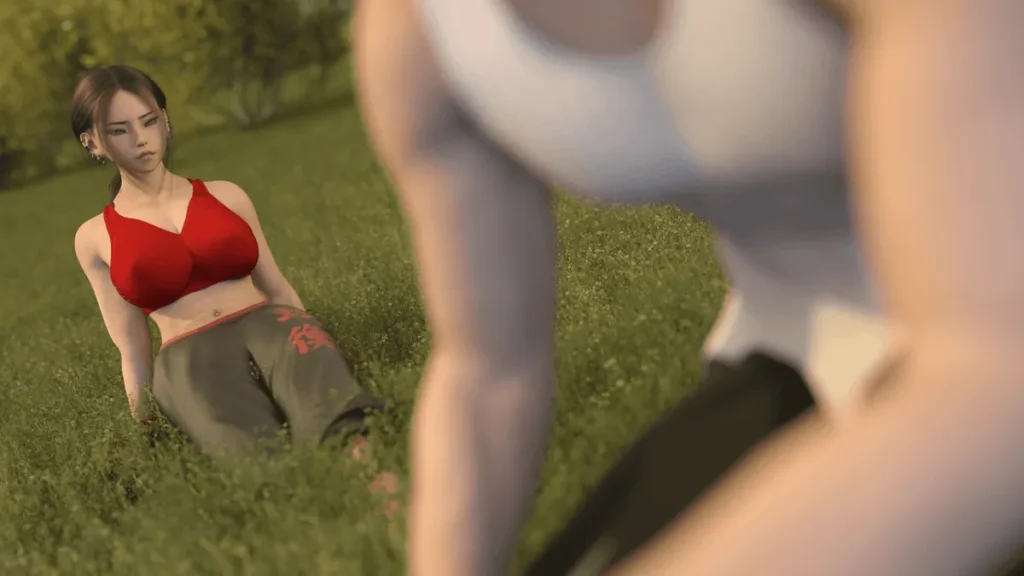
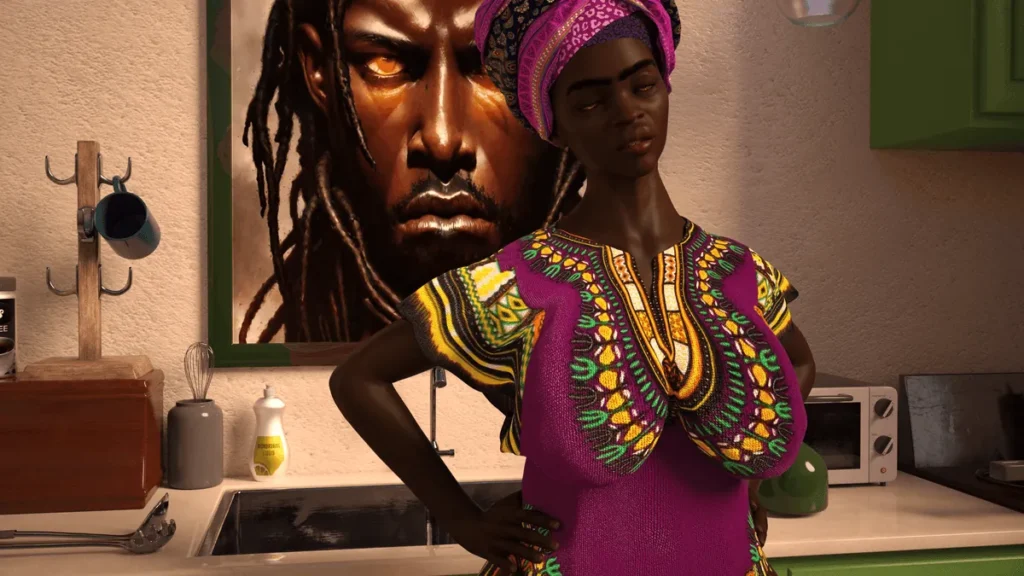
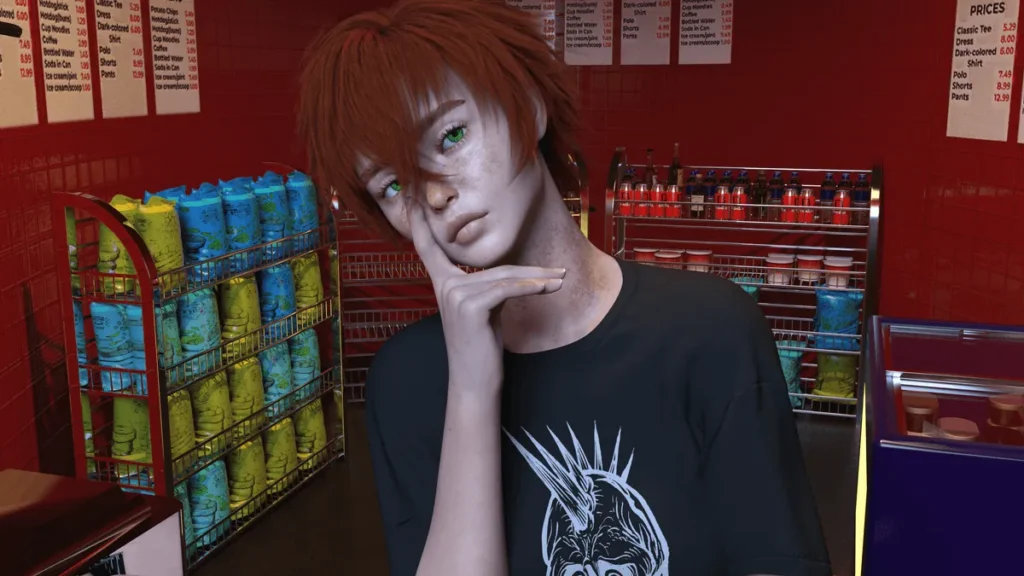
Rightful Ownership review
Understanding the indie game that sparked debate about content moderation and platform control
Rightful Ownership has become a focal point in discussions about content moderation, platform control, and independent game development. This indie title gained significant attention following major policy shifts by digital distribution platforms regarding adult-oriented content. The game represents a larger conversation about who decides what content is acceptable, how payment processors influence creative freedom, and what this means for independent developers. Understanding Rightful Ownership requires examining not just the game itself, but the ecosystem surrounding it and the broader implications of recent content removal decisions.
What Is Rightful Ownership and Why Does It Matter?
If you’ve spent any time in the corners of the internet where indie games bubble up from the creative underground, you’ve likely heard whispers, debates, and outright shouting matches about a title called Rightful Ownership. It’s more than a game; it’s become a lightning rod 🎯. For some, it represents a bold statement on creative freedom. For others, it’s a case study in the limits of acceptable content. And for platforms caught in the middle, it was a moderation headache they probably wish would just disappear.
So, what is Rightful Ownership game all about? At its core, it’s an indie title that uses interactive mechanics to explore themes of power, control, and reclamation. But to understand why it matters, you have to look past its code and into the fiery discussion it ignited about platform control, creator rights, and who gets to decide what art is allowed to exist in our digital spaces. This chapter is your guide through that tangled web.
The Game’s Background and Development
Every game starts with an idea, and the journey of Rightful Ownership is a classic tale of independent game development. Picture a solo developer or a tiny team, working nights and weekends, fueled by passion and a specific vision they couldn’t find in mainstream titles. They weren’t crafting a cozy farming sim or a slick platformer; they were building a narrative experience designed to provoke thought and, inevitably, strong feelings.
The development story of Rightful Ownership is emblematic of the modern indie developer challenges. Limited budgets, immense personal investment, and the hope of finding an audience on open platforms like Itch.io, which has built a reputation for being a haven for experimental and unconventional work. The developer’s goal wasn’t necessarily to court mass appeal but to create a meaningful dialogue through gameplay mechanics that put the player in uncomfortable or unfamiliar positions of agency.
While the exact narrative specifics are part of its debated nature, the game broadly places the player in a role that challenges conventional power dynamics. It’s this intentional thematic friction that formed the bedrock of the experience—and its eventual controversy. The game was a labor of love that faced the first major hurdle of any indie project: just getting seen.
“When a platform removes a work, it doesn’t just delete a file; it silences a conversation and tells entire communities what stories are not worthy of being told.”
Why Rightful Ownership Became Controversial
Here’s where the story escalates from a development log to a full-blown indie game controversy. Shortly after Rightful Ownership found its initial audience on Itch.io, it began to attract attention beyond just players. Some users flagged its content, leading to scrutiny from the platform’s moderation team. The core of the debate swirled around a critical question: Were the game’s themes a legitimate form of artistic expression exploring difficult subjects, or did they cross a line into harmful content?
This wasn’t just about a single game’s content. The situation highlighted the immense pressure and vague guidelines that define game content moderation. Platforms like Itch.io walk a tightrope, balancing their ethos of creative freedom with the responsibility to maintain a safe community. The decisions they make are rarely black and white, but they carry enormous weight for small creators.
The controversy around Rightful Ownership game exploded when Itch.io made the decision to remove it from their marketplace. This action was the spark. Suddenly, the discussion wasn’t just about the game itself, but about the Itch.io platform decisions that deemed it unfit for the storefront. Supporters of the game cried censorship, arguing that the platform was stifling artistic expression and applying subjective standards. Critics of the game supported the removal, citing community standards and the potential for harm.
This moment transformed Rightful Ownership from a simple indie title into a symbol. It became a rallying point for debates over:
* Where is the line for artistic license in games? 🎨
* Who are the arbiters of that line—platforms, players, or creators?
* How do moderation policies impact niche, experimental game development?
The game’s fate became a perfect case study in the tension between a creator’s vision and a platform’s need to govern its own space.
The Broader Context of Platform Moderation
The saga of Rightful Ownership is not an isolated incident. It’s a single, high-profile flare-up in the ongoing cold war of platform control in the digital age. For indie developers, understanding this context isn’t academic—it’s a matter of survival. The indie developer challenges related to distribution are monumental; you can pour your soul into a project, only to have its public existence hinge on the evolving terms of service of a privately-owned platform.
Platforms like Itch.io, Steam, and others wield incredible power. Their platform decisions function as a de facto form of curation, shaping the entire landscape of what games are commercially and culturally viable. This table breaks down how different approaches to game content moderation create very different environments for creators:
| Platform | General Moderation Approach | Impact on Independent Game Development |
|---|---|---|
| Itch.io | Historically more open, but employs reactive moderation based on user reports and community guidelines. Often seen as a last resort. | Allows for high experimentation and risk-taking, but creators face uncertainty. A game can be available one day and gone the next, as seen with Rightful Ownership. |
| Steam | Uses a mixture of automated systems, human review, and a policy that (after past controversies) allows most things unless illegal or “trolling.” | Provides massive reach but can be impossible for niche titles to get visibility. The “anything goes” stance is a double-edged sword, creating a crowded, competitive marketplace. |
| Console Stores (Nintendo, PlayStation, Xbox) | Highly curated, with strict pre-approval processes for technical standards and content. | Presents a high barrier to entry, often requiring a publisher or significant resources. Offers legitimacy and a controlled storefront but filters out many experimental projects. |
The Rightful Ownership game controversy sits squarely in the first column. Itch.io’s decision forced everyone to confront the practical realities of independent game development in a platform-dependent world. It asks:
* Do developers have a “rightful ownership” over their work’s distribution, or does uploading it to a platform mean accepting its rules as ultimate law? ⚖️
* How transparent and consistent should these platforms be?
* What recourse do small developers have when their primary storefront vanishes?
This isn’t just about one game being removed. It’s about the precariousness of the entire indie ecosystem. A developer’s livelihood and artistic voice can be profoundly altered by a single moderation action, often with little warning or clear avenue for appeal. The story of Rightful Ownership exemplifies the extreme end of this risk, making it a crucial reference point in ongoing conversations about developer rights, player access, and the immense responsibility held by distribution platforms.
For developers, the actionable takeaway is stark: diversifying your distribution and building a direct connection with your audience (through mailing lists, personal websites, etc.) is no longer just good marketing—it’s a necessary safety net. For players, it’s a reminder that the games you have access to are filtered through layers of invisible governance. And for everyone, the Rightful Ownership debate underscores that in the digital world, the question of who controls the space is just as important as what fills it. The game’s legacy is ensuring we keep asking that question, long after the initial controversy fades.
Rightful Ownership represents more than just a single indie game—it symbolizes the ongoing tension between platform governance, creative expression, and the power dynamics shaping the gaming industry. The game’s situation highlights how distribution platforms and payment processors have become the primary arbiters of what content reaches audiences, often making decisions that extend beyond child safety into broader cultural preferences. For independent developers, understanding these dynamics is crucial to navigating the current landscape. The conversation surrounding Rightful Ownership and similar titles underscores the importance of advocating for transparent moderation policies, developer representation in content decisions, and alternative distribution methods. As the gaming industry continues to evolve, the principles of fair treatment for independent creators and respect for diverse creative expression remain central to building a healthier ecosystem for all stakeholders.