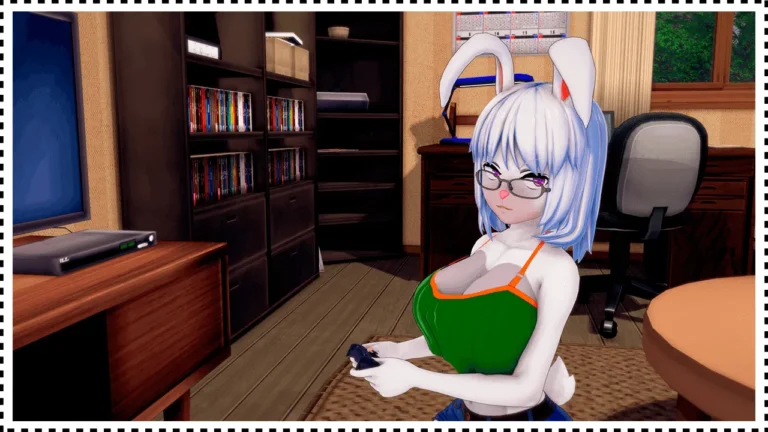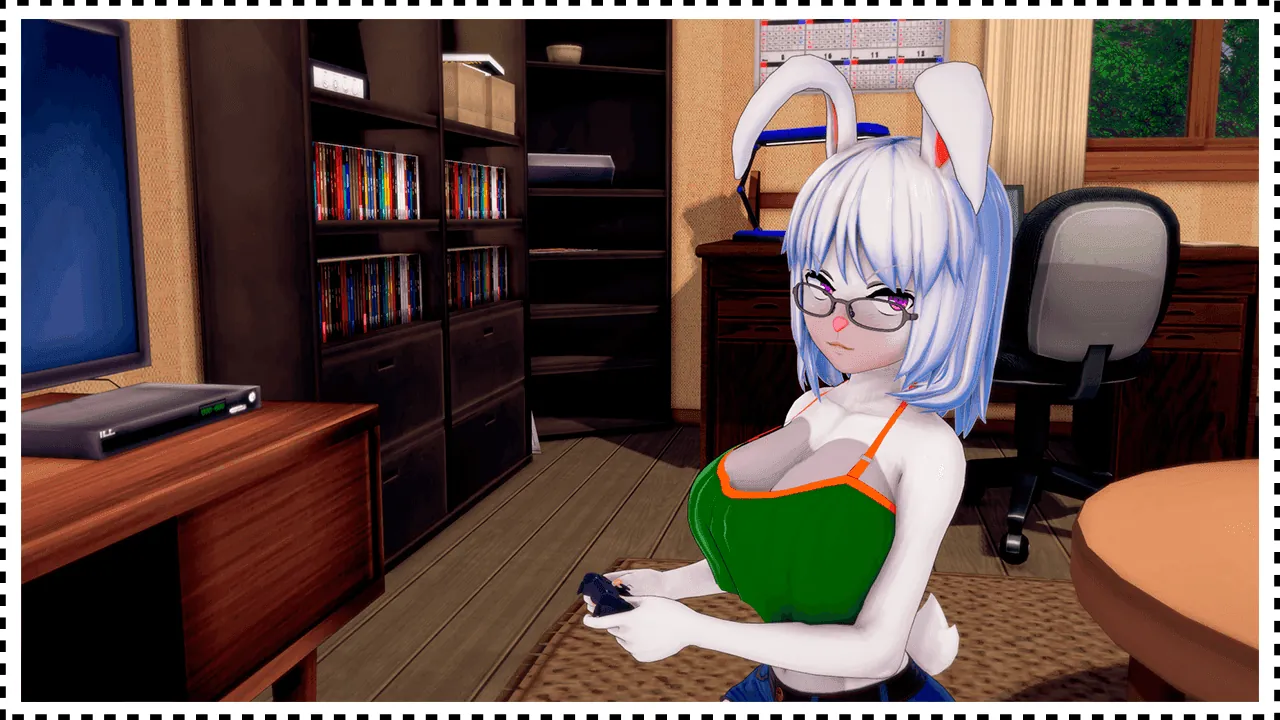
Love at First Tail
Play Love at First Tail
Love at First Tail Screenshots
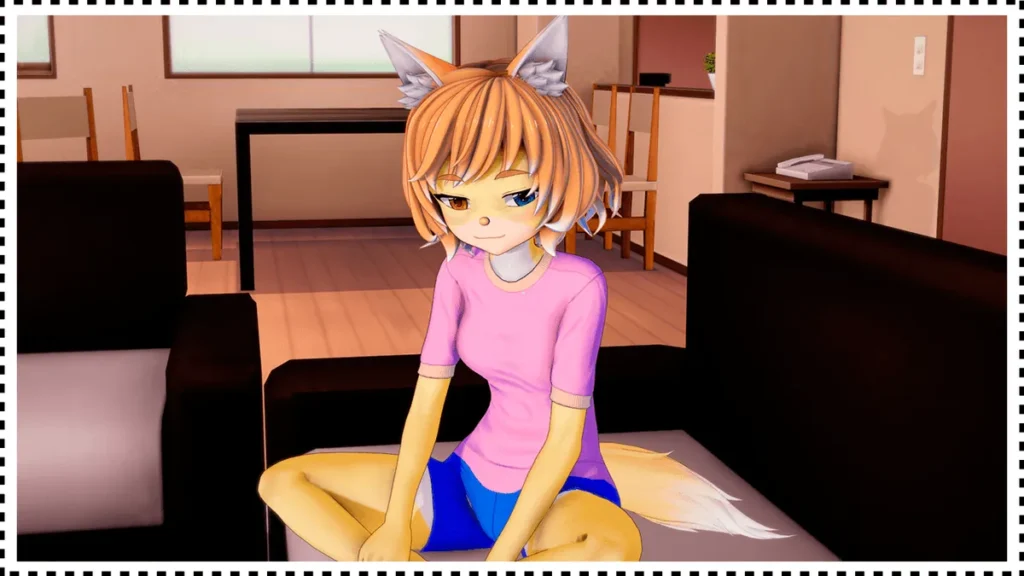
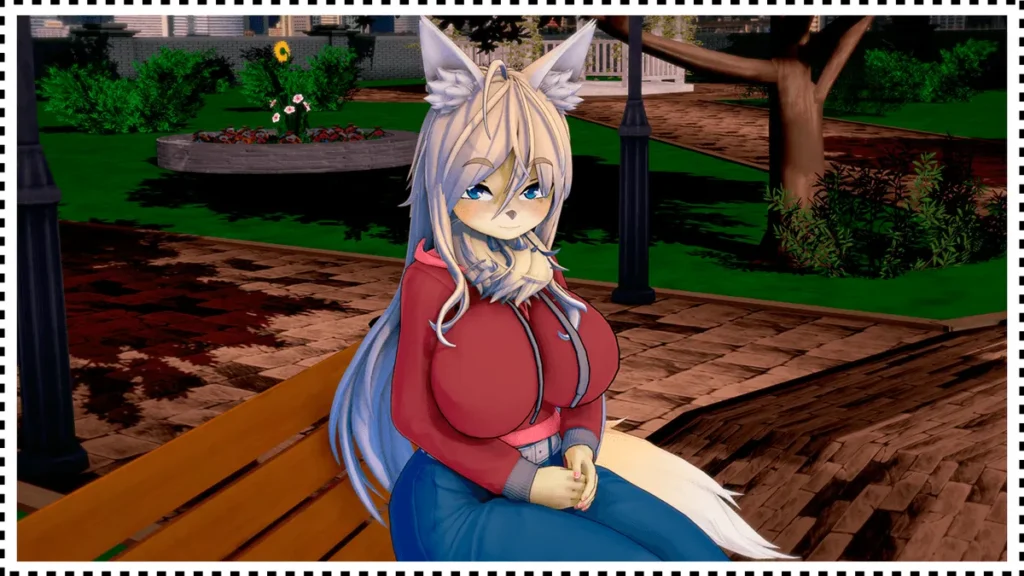
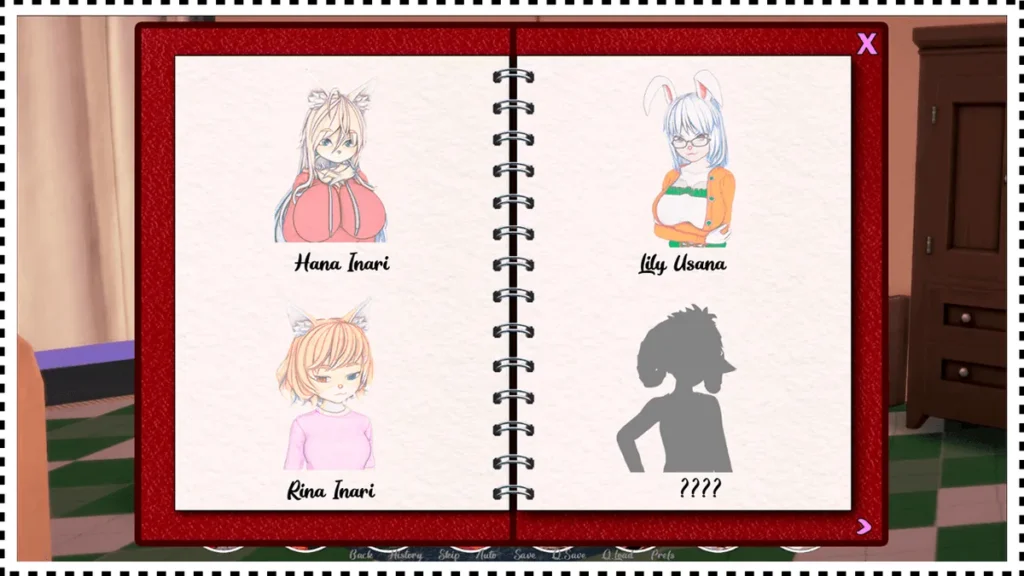
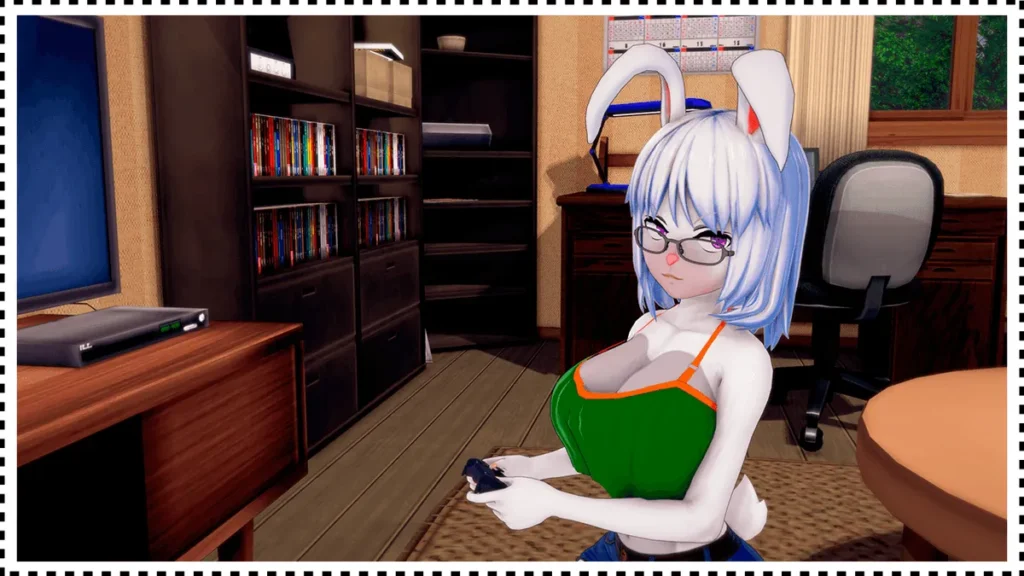
Love at First Tail review
Exploring storytelling, character development, and gameplay mechanics in this unique narrative experience
Love at First Tail stands out as a narrative-driven visual novel that transcends surface-level expectations. When you first encounter this title, you might assume it caters exclusively to a niche audience, but the game reveals itself to be something far more nuanced. The experience centers on returning to your hometown after years away, reconnecting with old friends, and navigating the complexities of relationships and community. What makes Love at First Tail remarkable is how it balances intimate character moments with meaningful storytelling, creating an experience that resonates with players seeking genuine emotional connections alongside engaging gameplay mechanics.
Understanding Love at First Tail: Story, Setting, and Core Themes
Let’s be honest. When you first hear about a visual novel like Love at First Tail, certain… expectations might come to mind. I know mine did. I was prepared for a light, perhaps frivolous story wrapped around a simple premise. What I wasn’t prepared for was the profound sense of nostalgia, the delicate handling of human connection, and a visual novel narrative that completely redefined what I thought this genre could achieve. This isn’t just a game; it’s an experience in emotional homecoming.
At its heart, the Love at First Tail story is a masterclass in relatable storytelling. It proves that the most powerful tales aren’t always about saving the world, but sometimes just about finding your place in it. This chapter is your guide to understanding that depth. We’ll explore the comforting familiarity of its setting, the beautifully crafted people who inhabit it, and the core themes that will linger with you long after you close the game. 🏡✨
The Premise: Coming Home and Reconnecting
The foundational Love at First Tail plot is elegantly simple, and that’s its greatest strength. You step into the shoes of a protagonist returning to their sleepy, seaside hometown after years away, chasing career ambitions or perhaps just escaping the confines of a smaller life. This hometown return storyline is a timeless setup for a reason—it’s a universal feeling. That mix of familiar sights and the unsettling realization that while the place seems the same, you (and everyone else) have changed.
The game doesn’t rush this homecoming. You’re given space to breathe, to wander the lovingly rendered locations, from the quiet pier to the local cafe. This slow pacing is intentional. It’s not about bombarding you with immediate drama, but about letting the atmosphere sink in. The emotional storytelling visual novel techniques here are subtle: the wistful soundtrack, the changing light of day, the small, interactive details that make the town feel lived-in. It creates a potent mood of melancholy and possibility.
My First Hour Tip: Don’t fast-forward through these early moments! The game is building your emotional foundation. Pay attention to how you feel walking these digital streets—that slight loneliness is exactly what the protagonist feels, and it’s what makes the connections to come so meaningful.
This return is the catalyst for everything. Old friendships have faded into awkward hellos, and the community you once knew is now populated with familiar faces who have their own grown-up lives and problems. The core question the Love at First Tail story asks isn’t “Who will you romance?” but rather, “Can you truly come home again, and what does ‘home’ even mean now?” 🌅 It’s a deeply personal journey framed by gentle, slice-of-life moments that anyone who has ever left and returned can understand.
Character-Driven Narrative and Relationship Building
If the hometown is the stage, then the Love at First Tail characters are the unforgettable players who bring the drama, warmth, and heart to life. This is where the game truly shines, moving far beyond archetypes into the realm of feeling like real people. You’re not meeting “the tsundere” or “the childhood friend” trope; you’re reconnecting with Elara, who runs the bookstore and hides her worries behind a bright smile, or Kael, the old friend whose easygoing nature masks his own uncertainties about the future.
The character relationships gameplay is the core engine of the experience. Every interaction, from choosing to help someone with a mundane task to deciding what to talk about over coffee, feeds into a nuanced relationship system. This isn’t a simple “like/dislike” meter. Your choices influence the type of relationship you build—are you a confidant, a flirtatious friend, a supportive rock, or a reminder of the past? The game tracks emotional intimacy, trust, and shared history.
Let me share a personal moment that cemented this for me. Early on, I met a character who seemed initially aloof and busy. My instinct in many games is to “win them over” with persistent, charming choices. But here, I chose to respect their space, offering help only when it seemed genuinely needed. To my surprise, this passive approach led to a later, powerful scene where they opened up about feeling pressured by everyone’s expectations, thanking my character for not adding to that pressure. It felt earned and real, a direct result of my gameplay approach to that relationship.
To understand how these connections work, let’s look at the key mechanics:
| Character | Initial Dynamic | Key Relationship Paths | What Your Choices Build |
|---|---|---|---|
| Elara (The Bookstore Keeper) | Warm but professionally distant; a keeper of town history and secrets. | Intellectual Companion, Romantic Partner, Protective Friend | Shared knowledge, emotional vulnerability, and mutual support for her dreams. |
| Kael (The Childhood Friend) | Familiar and joking, but with a layer of unspoken history. | Rekindled Friendship, Unrequited History, Supportive Confidant | Trust, forgiveness for past distance, and support for his present struggles. |
| Marlowe (The Newcomer Artist) | Observant and a bit mysterious; an outsider like you. | Creative Collaborator, Romantic Interest, Fellow Seeker | Inspiration, acceptance of unconventional paths, and deep personal understanding. |
The brilliance of the Love at First Tail characters is that their stories are interconnected. Helping one character might unlock new dialogue options with another, revealing how the community functions as a web. The visual novel narrative respects your intelligence and emotional investment, offering payoffs that are emotional rather than purely transactional. You’re not collecting scenes; you’re nurturing bonds. 💝
Themes of Friendship, Community, and Personal Growth
Now, let’s talk about the soul of the experience. Beyond the charming interactions and beautiful art, Love at First Tail is thematically rich. It’s a game that thoughtfully explores friendship, community, and personal growth with a maturity that caught me completely off guard.
I’ll admit my initial bias. Based on the title and aesthetic, I braced for a narrative focused on pursuit and conquest. What I found instead was a story profoundly about healing. The protagonist’s return is often framed by a quiet loneliness or professional burnout—a void they’ve tried to fill elsewhere. The game argues that the antidote isn’t found in a single dramatic romance, but in the slow, steady work of rebuilding a community around yourself. The deep, platonic bond you can strengthen with a friend is given just as much narrative weight and emotional storytelling care as a romantic one, which is remarkably rare.
This is where the game’s famous balance comes into play. While it contains mature moments of intimacy, they are framed as extensions of this emotional closeness, not the end goal. The Love at First Tail plot prioritizes the satisfaction of being seen, understood, and valued. A heartfelt conversation under the stars where a character admits their fears can be more impactful than any other scene, because it feels true. The game explores:
- Loneliness vs. Belonging: The sharp contrast between the protagonist’s isolated city life and the potential for integrated community life in the town.
- Nostalgia vs. Progress: Wrestling with the desire to return to a simpler past while acknowledging that everyone, including yourself, must move forward.
- Purpose Through Others: Finding meaning not in solitary achievement, but in how you support and uplift the people around you.
The core theme is this: We are shaped by our relationships. The person you become by the end of your playthrough is a direct reflection of the connections you chose to nurture.
This focus creates an incredibly emotional storytelling visual novel experience. Your choices in the character relationships gameplay don’t just determine an ending screen; they determine the emotional resolution of multiple character arcs, including your own. Will you help the town preserve its traditions, or encourage it to embrace change? Will you be the catalyst that helps a friend find their courage? The Love at First Tail story gives you that responsibility, making you an active participant in its thematic exploration.
In wrapping up this deep dive into the story, setting, and heart of Love at First Tail, it’s clear this is a special entry in the visual novel genre. Its power lies in its quiet confidence—its belief that a story about coming home, making tea for a friend, and listening to someone’s worries can be as compelling as any epic. The hometown return storyline is the perfect vessel for its themes, and the Love at First Tail characters are crafted with such care that investing in them feels natural and rewarding.
This foundation of strong visual novel narrative and deep character relationships gameplay sets the stage for everything that follows. It’s a game that stays with you, not for its sensational moments, but for its gentle, persistent reminder of the importance of connection. It argues that sometimes, “love” isn’t just a singular, explosive event, but the slow, beautiful process of weaving your life into the lives of others, one genuine choice at a time. 🌊❤️
Love at First Tail represents a thoughtful approach to interactive storytelling that prioritizes emotional connection and character development. The game succeeds in creating a meaningful experience where returning home becomes more than just a setting—it becomes a journey of self-discovery and belonging. Through its choice-based mechanics, animated presentation, and focus on relationship building, the game offers something genuinely engaging for players seeking depth alongside entertainment. Whether you’re drawn to visual novels for their narrative potential or looking for a game that challenges genre conventions, Love at First Tail delivers an experience that lingers long after the credits roll. If you appreciate stories about community, connection, and finding your place in the world, this game deserves your attention.