Hooked!
Play Hooked!
Hooked! Screenshots



Hooked! review
Explore the immersive visual novel experience with branching narratives and character-driven storytelling
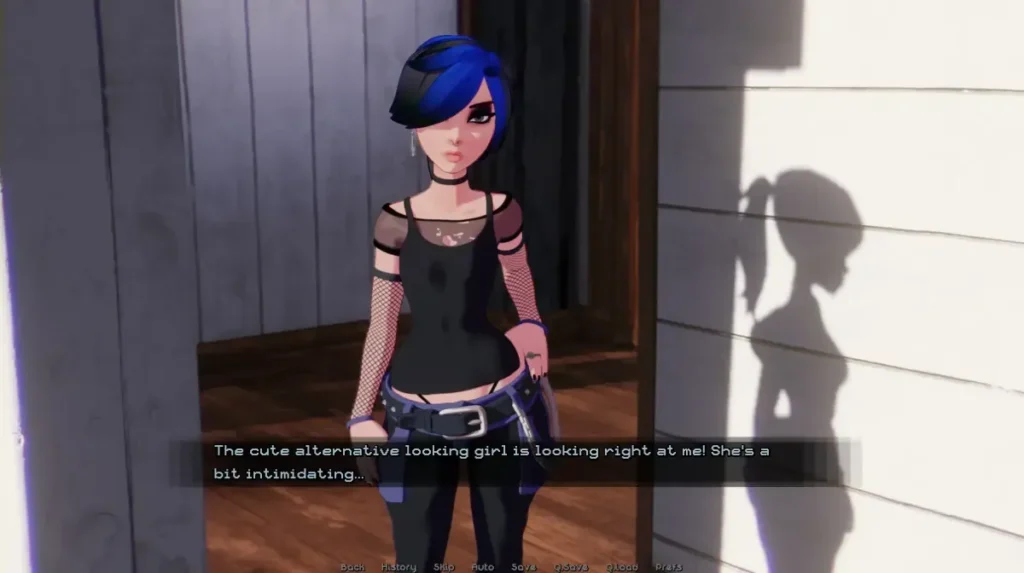
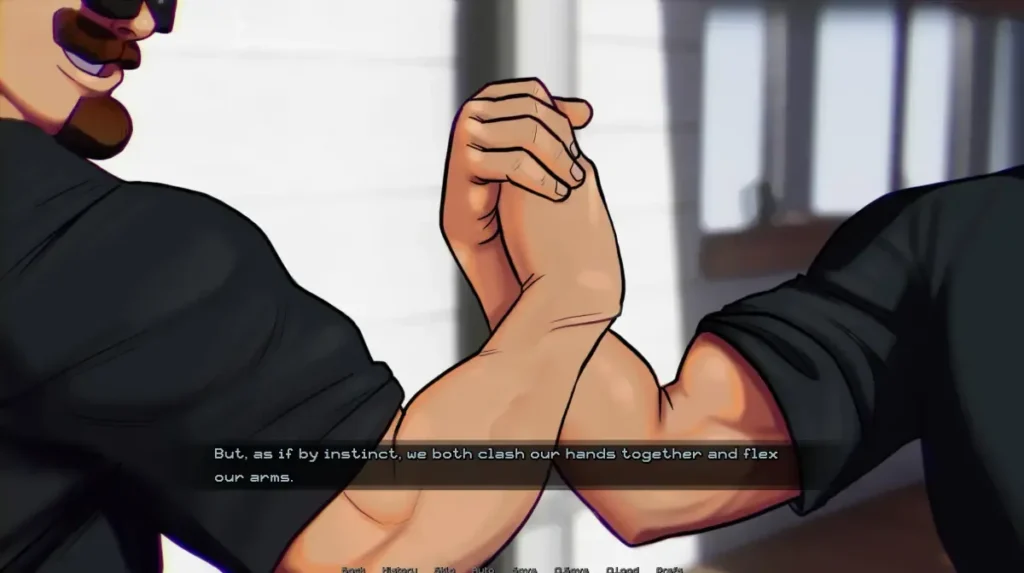
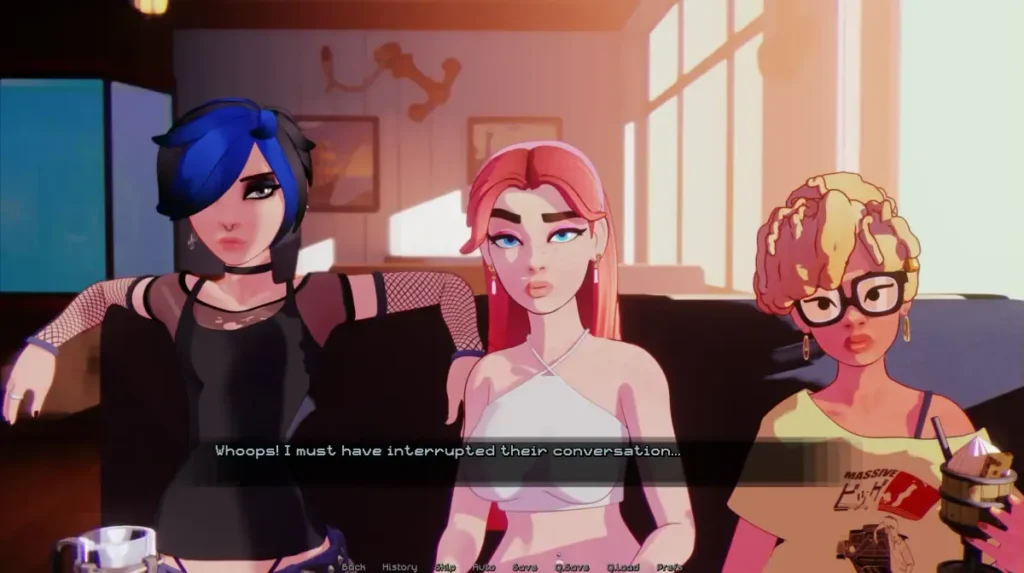
Hooked! stands out as a narrative-driven visual novel that combines engaging storytelling with meaningful player choices in an early 2000s setting. This interactive experience follows three ambitious characters navigating their ambitions while you, an unsuspecting fisherman, find yourself caught in their world. Unlike traditional visual novels, Hooked! emphasizes character development and relationship building through a sophisticated choice system that directly impacts the story’s direction and outcomes. Whether you’re new to interactive fiction or a seasoned player, understanding the game’s core mechanics, features, and narrative depth will help you maximize your experience and discover the multiple story paths available.
Understanding Hooked! Game Mechanics and Core Gameplay
Ever feel like your choices in a game don’t really matter? You pick a snarky dialogue option, and the character just shrugs it off. You decide to help one person over another, and the story plods on like nothing happened. I used to get so frustrated with that lack of consequence! 🎮 Then I played Hooked!, and it completely flipped the script. This isn’t just a visual novel you read; it’s a world you actively build, dismantle, and rebuild with every single decision you make. Understanding Hooked! game mechanics is the key to unlocking its deeply personal stories, and trust me, once you get it, you’ll be, well, hooked.
The core loop of how does Hooked! gameplay work is elegantly simple yet profoundly deep. You navigate a calendar, deciding how to spend your limited days and hours. Will you work your part-time job to earn cash for special events? 👷 Will you visit the library to boost your skills, or head to the park hoping to run into a certain someone? Every location holds potential encounters, mini-tasks, or opportunities for growth. This time management simulation game layer is seamlessly woven into the character relationship building gameplay, creating a constant, delicious tension. You can’t do everything, and that’s the point. Your priorities literally shape your calendar and, by extension, your destiny in the story.
What Makes the Choice System So Impactful?
Forget the illusion of choice; Hooked! deals in the currency of real consequence. The choice system visual novel at its heart is a masterclass in cause and effect. Every dialogue selection, every agreed meeting, and every ignored text message is a pebble tossed into the pond of your story, creating ripples that reach the furthest shores.
What sets it apart is the dual-layer of choice. First, there are the obvious narrative forks. During a tense conversation with the charismatic musician, Alex, you might be given three options: encourage their risky new artistic direction, cautiously warn them about their reputation, or dismiss their passion entirely. This isn’t just about picking the “nice” response. 🎸 Alex values boldness and authenticity. Choosing the cautious path might make you seem sensible to another character, but to Alex, it signals a lack of faith, subtly cooling your friendship and locking you out of scenes where they share their most vulnerable creative work.
The second, more strategic layer is how you spend your time. This is where the interactive story choices consequences become truly tangible. Say you promised to help your studious friend Sam prepare for a big exam on Wednesday. On Tuesday, you get a last-minute, once-in-a-lifetime invite to a secret gallery opening with the elusive artist, River. You can blow off Sam. The game won’t stop you. But when you next see Sam, the hurt is palpable. They might not confront you immediately, but later, when you need a favor or are seeking emotional support, that option might be grayed out. Their trust meter has taken a silent hit. The game remembers everything.
My Tip: Save often and in different slots! I learned this the hard way after choosing to invest all my time in one relationship early on, only to find myself isolated and missing huge chunks of other characters’ stories mid-game. Having multiple save points lets you bravely explore those branching narrative pathways without regret.
How Character Relationships Shape Your Journey
If the choice system is the engine, then the characters are the soul. The character relationship building gameplay in Hooked! goes far beyond simple “like/dislike” meters. These are complex, messy, and beautifully written individuals with their own schedules, problems, and evolving feelings towards you and each other.
Building a connection isn’t just about always saying “yes.” It’s about attunement. Each character has core personality traits, fears, and desires. Leo, the ambitious intern, respects diligence and ambition. Showing up to events on time and discussing future goals will resonate with him. Meanwhile, Maya, the free-spirited gardener, thrives on spontaneity and emotional honesty. A perfectly planned, logical argument might impress Leo but leave Maya feeling stifled.
The magic—and sometimes the horror—comes from the dynamic web of relationships. Characters talk about you when you’re not there. 🕸️ If you’re seen getting too close to Alex, their rival might view you with suspicion. If you consistently help Sam, Alex might joke that you’ve become “too responsible.” The game simulates a real social circle where your actions with one person influence your standing with others, creating organic conflict, jealousy, and unexpected alliances. It’s this genuine sense of a living world that makes the Hooked! game mechanics feel so revolutionary.
To give you a clearer picture of how these systems interact, here’s a breakdown:
| Gameplay Mechanic | How It Works | Player Experience & Impact |
|---|---|---|
| Dialogue Choice Matrix | Every conversation offers 2-4 responses aligned to different tones (Supportive, Ambitious, Playful, Logical, etc.). | You learn character “language.” Choosing responses that match their values deepens bonds and unlocks unique, personal story scenes. |
| Time & Location Investment | A weekly calendar with limited time slots. You choose locations (Cafe, Park, University, etc.) where specific characters might be. | Creates strategic tension. Prioritizing one character’s hangout spot means missing another’s key event, directly shaping your narrative access. |
| Dynamic Character States | Characters have hidden mood and relationship scores that change based on your choices and their interactions with each other. | The world feels alive. A character you had a great day with might be cold next time because they heard a rumor, forcing you to adapt and engage. |
| Resource Management | Managing Energy, Money, and Skill Points (like Creativity or Knowledge) gained from activities. | Adds a layer of RPG-like strategy. You might need to work a shift for money to afford a concert ticket, costing Energy you wanted for a late-night study session. |
Time Management and Strategic Decision-Making
This is where Hooked! truly separates itself from the visual novel pack. The time management simulation game aspects aren’t a tacked-on mini-game; they are the foundational grid upon which the entire emotional narrative is built. Each week is a precious resource, and each day is a set of blank squares you get to fill with your intentions.
Let’s talk strategy. Early in my playthrough, I wanted to see everything. I’d sprint from the library (to boost Knowledge for Sam’s study sessions) to the music shop (to learn about guitars for Alex) to the community garden (to help Maya). By Friday, my Energy was zero, my Money was low, and I was too frazzled to be present for anyone’s heartfelt confession. I had optimized myself right out of meaningful connections. 😫
I had to learn to specialize and sacrifice. The game encourages this. On one playthrough, I focused on my creative side, spending time writing at the cafe and sketching in the park. This naturally aligned me with Alex and Maya, and unlocked story branches about artistic collaboration I never saw before. On another, I embraced the corporate hustle with Leo, which opened up narratives about ambition and ethics in the workplace. The branching narrative pathways aren’t just about dialogue; they’re about the lifestyle you cultivate through your calendar.
The consequence of this system is immense replay value. You’re not just reloading to pick a different chat option at a single moment. You’re planning an entirely different life path. What if you ignore everyone and just work on your own skills? What if you try to maintain a perfect balance between two conflicting characters? Each approach writes a completely different novel.
Here’s a practical example of the ripple effect in action:
Imagine it’s a rainy Thursday. You have three messages: Alex is feeling uninspired and asks to meet at the record store for a boost. Sam reminds you about the study group for the big exam tomorrow. River, who is rarely available, sends a cryptic message about “needing a witness” at the docks tonight.
- Choice A (Prioritize Alex): You get a deeply personal scene where Alex shares a forgotten song from their childhood, significantly deepening your bond. However, Sam studies alone and barely passes. Later, Sam is distant and a future scene where they confidently ace a presentation is lost. River’s dock event happens without you, and a mysterious plot thread about the city’s history remains closed.
- Choice B (Prioritize Sam): Your help ensures Sam tops the class. A new scene unlocks where a proud Sam recommends you for a lucrative tutoring job, solving your money problems. But Alex’s creative block worsens; they cancel an upcoming gig, and a later story arc about their breakthrough performance vanishes. You still miss River’s event.
- Choice C (Gamble on River): You witness a strange, magical event at the docks, unlocking an entire supernatural subplot and making River permanently more open. But you’ve let down both Alex and Sam. Alex might seek inspiration elsewhere, potentially starting a relationship with another character, and Sam’s academic setback affects their confidence for the rest of the game.
See? One time slot, three vastly different futures. This is the power of Hooked!’s integrated game mechanics. It understands that in life, our biggest choices are often about who and what we choose to make time for.
So, how does Hooked! gameplay work at its best? It works by respecting you. It gives you a world of intricate systems—meaningful choices, dynamic relationships, and strategic time management—and then steps back to let you live with the beautiful, heartbreaking, and utterly unique story you create. It’s not about finding the “right” path. It’s about discovering which path feels most true to the person you decide to be in that moment. And then having the courage to start over and discover a whole new you. That’s the real hook. 🪝
Hooked! delivers a compelling blend of storytelling, character interaction, and strategic decision-making that elevates it beyond traditional visual novel experiences. The game’s sophisticated choice system ensures that your decisions genuinely matter, creating unique narrative paths and meaningful character relationships that encourage multiple playthroughs. With its engaging early 2000s setting, three distinct and well-developed characters, and seamless integration of mature themes within a comedic framework, Hooked! provides a memorable adventure for players seeking something different in interactive fiction. Whether you’re drawn to its humor, character depth, or immersive world-building, the game offers a distinctive experience worth exploring. Ready to dive into this engaging narrative and discover how your choices shape the story? Start your adventure with Hooked! today and experience the impact of meaningful player agency in interactive storytelling.