
Halfway House
Play Halfway House
Halfway House Screenshots


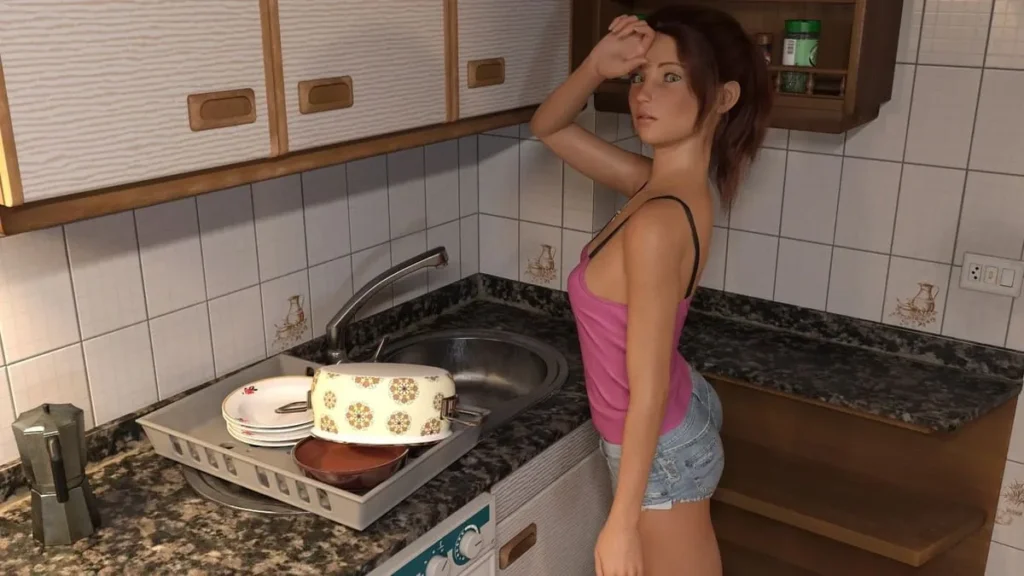

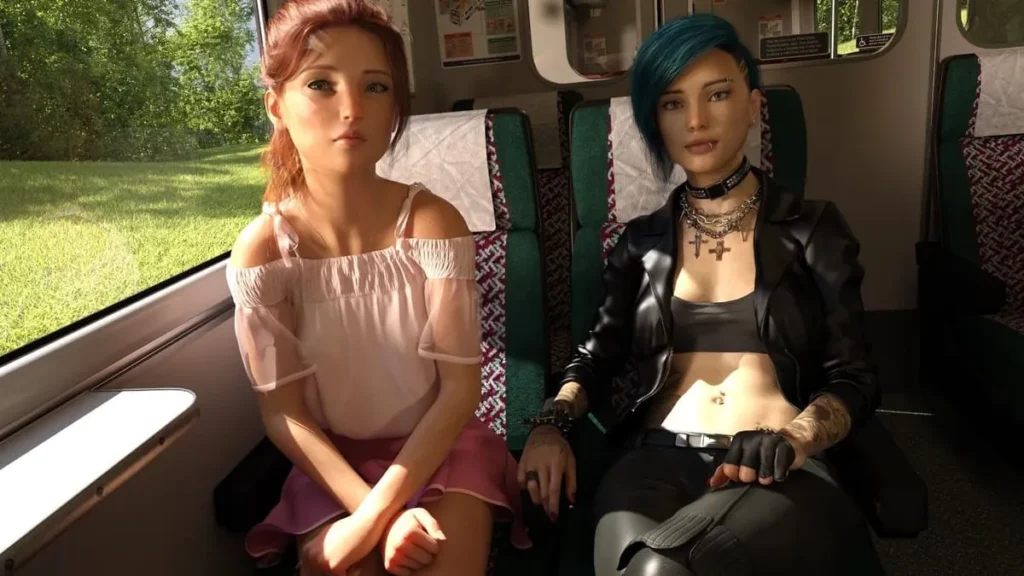

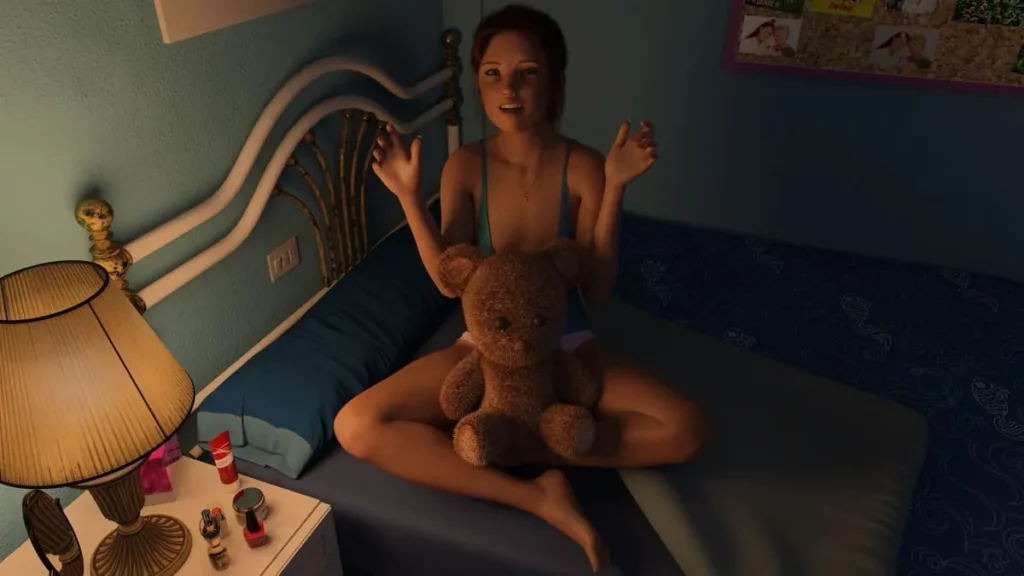



Halfway House review
Honest impressions, story overview, and practical tips for new players
Halfway House is an adult-focused visual novel that mixes character-driven storytelling with explicit scenes and player choices. If you have seen screenshots or short clips and you are wondering whether this game is worth your time, you are not alone. When I first stumbled on Halfway House, I expected nothing more than shallow shock value. Instead, I found a slow-burn story that tries to build tension, personalities, and emotional stakes before it gets to the spicy content. In this guide, I will walk you through what makes Halfway House stand out, who it is really for, and how to get the most enjoyment from your playthrough.
What Is Halfway House Game Really About?
So, you’ve heard the name and you’re curious. What is the Halfway House game really about? Is it just another adult title, or is there something more beneath the surface? 🧐 Let me cut to the chase: if you’re expecting a non-stop thrill ride, you might be surprised. This is a Halfway House visual novel in the truest sense, a slow, character-driven drama where the biggest explosions happen in conversation, not in action scenes. It’s about the quiet, messy, and often tense process of starting over.
I went in with my own assumptions and came out genuinely invested in the lives of these digital people. This chapter is your spoiler-light map to the heart of the experience. We’ll break down the story, meet the key players, and dig into the themes to see if this particular house is a home you’d want to visit.
Story Overview: What Is the Core Premise of Halfway House?
The core of the Halfway House story overview is refreshingly grounded. You play as… well, me. Or rather, I stepped into the shoes of a protagonist who’s hit a profound low. Without dumping a tragic backstory on you all at once, the game makes it clear: my character’s past is fraught with mistakes and consequences. As a result, I’ve been placed in a transitional living situation—a shared house meant to be a stepping stone between a troubled past and a hopeful future.
This isn’t a fantasy castle or a sci-fi colony. The setting is modern-day and relatable, all about rebuilding a life from the ground up. The “halfway” in the title isn’t just about the house; it’s about the state of being. You’re halfway between who you were and who you might become. Your new home is shared with other residents, each carrying their own baggage, and that’s where the magic—and the tension—happens.
The narrative arc across the early chapters is less about epic plot twists and more about unfolding interpersonal dynamics. A typical day involves navigating shared spaces, choosing who to talk to on the porch or in the kitchen, and dealing with the subtle power plays and alliances that form in any close-quarters living situation. The game brilliantly uses this setup to create constant, low-grade tension that occasionally boils over.
As a visual novel, the emphasis is squarely on dialogue choices and character development. You’ll spend most of your time reading and making decisions in conversations. These choices don’t typically reroute the entire plot onto a wildly different branch; instead, they feel like subtle nudges. They might change the tone of a scene, unlock a bit of extra dialogue, or slightly alter how a character perceives you in that moment. It’s a structured, episodic story where relationship building is the primary gameplay loop.
And yes, this is an adult visual novel review, so let’s address the elephant in the room. Intimacy is part of the journey, but Halfway House treats it as a destination earned through time and emotional investment. The game slowly escalates closeness as trust is built, rather than jumping straight into explicit scenarios. This slow-burn approach was, for me, its greatest strength.
“I finished the first chapter expecting one thing, and was completely disarmed by what I actually got: a poignant, well-written story about broken people trying to fix themselves. The adult elements felt like a part of that journey, not the sole purpose of it.”
Main Characters: Who Will You Spend Most of Your Time With?
Let’s meet the neighbors. The Halfway House characters are the absolute core of the experience. You don’t just observe them; you live with them. As the protagonist, my role was to be the new variable in this already-delicate ecosystem—a catalyst for change, for better or worse.
While I won’t use specific copyrighted names, you’ll quickly identify the key archetypes that drive the story’s emotional engine. Think of them by their roles and the unique tension or comfort they bring into your character’s life:
- The Reserved Caretaker: This housemate is often the first point of quiet stability. They might be a bit closed off initially, speaking in measured tones and observing more than they participate. But their actions—a prepared meal left for you, a helpful piece of advice—show a deep, quiet care. They represent a chance for uncomplicated support, a safe harbor in the house’s emotional storms.
- The Playful Provocateur: 😈 This character lives to push buttons. They’re all about witty banter, teasing remarks, and challenging the status quo. They might frustrate you one moment and make you laugh the next. Their role is crucial—they force my character (and the player) out of a passive, pitying state. They bring vital energy and conflict, ensuring things are never boring and often forcing confrontations that lead to real growth.
- The Stern Authority Figure: Every house needs rules, and this person embodies them. They might be a manager, a senior resident, or just someone who takes responsibility seriously. Interactions with them are often tinged with a power imbalance. They’re not necessarily a villain, but they are an obstacle—a representation of the structure and accountability my character is struggling to accept. Unraveling the person behind the stern facade becomes a slow and rewarding subplot.
- The Fellow Stray: This character is perhaps closest to my own situation. Damaged, vulnerable, and trying to hide it. They are a source of instant understanding and shared pain, but also a mirror. Helping them can feel like trying to save yourself, and that relationship can become dangerously co-dependent or beautifully symbiotic.
Each character is a source of emotional stakes. Some are wells of comfort you return to, others are puzzles you slowly solve, and all of them carry secrets that unravel at a deliberate pace. Getting to know them isn’t just a side activity; it is the main activity of the Halfway House game.
Tone and Themes: Is Halfway House Right for You?
So, what’s the vibe? If I had to sum up the Halfway House themes in one phrase, it’s adult drama. We’re not talking soap opera melodrama, but the grounded, often uncomfortable drama of real human failing and connection. The tone is introspective, tense, and occasionally hopeful.
The game leans heavily into themes of:
* Guilt and Redemption: Your past is a ghost that haunts the halls. The story constantly questions whether people can truly atone for their mistakes.
* Trust as a Fragile Construct: In a house of strangers with secrets, every shared confidence feels monumental. Learning to trust—and dealing with that trust being broken—is a central pain point.
* The Claustrophobia and Comfort of Confinement: The shared living space is a pressure cooker. There’s no escape from the people you’re in conflict with, which forces resolution (or explosive arguments). Yet, that same closeness can foster unexpected bonds.
It’s crucial to manage expectations. Much of your time is spent in conversations, slice-of-life moments, and slow character reveals. You’ll have mundane chats about groceries that somehow reveal deep insecurities. You’ll sit in silence on a couch that becomes more intimate than any action. For me, this pacing made the eventual moments of physical intimacy feel earned and meaningful, rather than transactional. They were a culmination of emotional plot threads, not isolated events.
This brings us to the ultimate question: is Halfway House worth playing?
My honest impression? It absolutely is, but for a specific player.
You will likely enjoy Halfway House if you:
* 😌 Appreciate long-form, character-driven narratives.
* 🧩 Enjoy piecing together character backstories through subtle dialogue and environmental clues.
* 💬 Find engagement in dialogue choices that shape your persona and relationships, even if they don’t change the main plot destination.
* 🎭 Are looking for an adult game where the “adult” elements are woven into a serious dramatic tapestry.
You should probably skip Halfway House if you:
* ⏩ Want quick, disconnected explicit scenes with minimal plot or build-up.
* 🎮 Prefer games with heavy mechanics, puzzles, or action sequences. This is a reading experience first and foremost.
* 😅 Dislike slow pacing or stories that sit in uncomfortable emotional spaces without immediate resolution.
In my personal journey with the game, the greatest reward wasn’t a scandalous scene, but a quiet moment of understanding with a character I’d initially disliked. The Halfway House visual novel is built for those moments. It’s a game about the cracks in people’s facades and the fragile connections that form in those spaces.
To summarize the heart of the experience:
- Redemption is a daily struggle, not a single event.
- Shared living creates constant, compelling tension that drives the story.
- Relationships are slow-burn journeys where emotional intimacy paves the way for physical intimacy.
If that sounds like a journey you’re willing to take a chance on, then you might just find this halfway house becomes a memorable stop on your gaming itinerary.
Halfway House is more than just a shock-driven title with explicit scenes layered on top. It is an adult-focused visual novel that leans into slow-burn storytelling, distinct personalities, and the emotional tension of strangers forced to share a roof while carrying heavy personal baggage. If you go in expecting meaningful conversations, gradual relationship building, and an episodic structure with carefully timed payoffs, you are far more likely to appreciate what the game is trying to do.
If you prefer quick, disconnected scenes with almost no plot, Halfway House may feel too slow or talky for your taste. But if you like the idea of spending hours getting to know a cast of flawed, layered characters and watching bonds intensify over time, this game has plenty to offer. Give yourself space to settle into the world, pay attention to the dialogue, and treat each choice as a chance to shape your version of the story. That is where Halfway House truly shines.