Apocalust
Play Apocalust
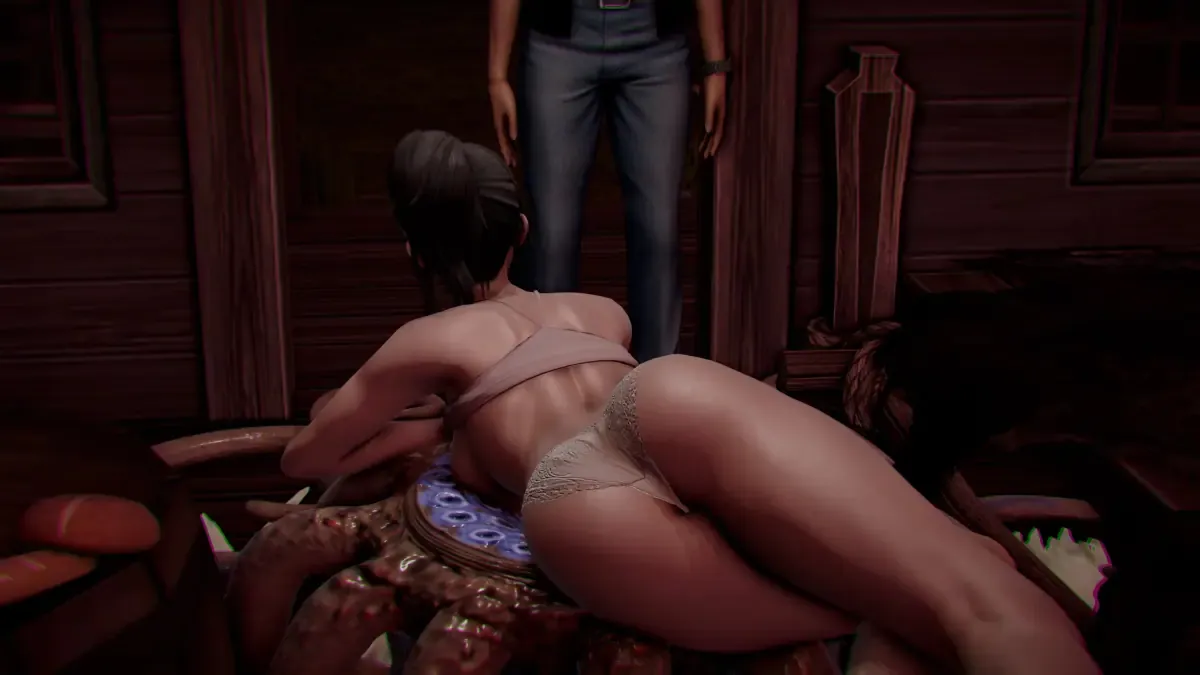
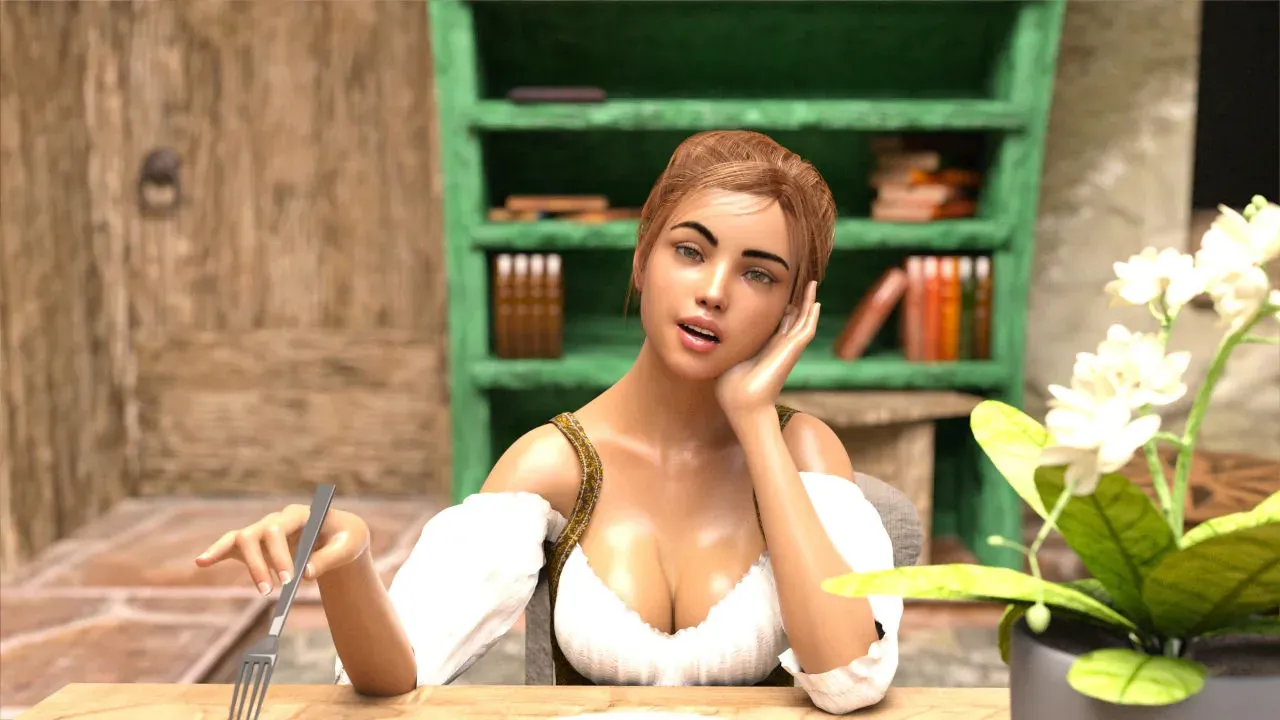
Apocalust Screenshots
















Apocalust review
Dive into the relic’s corrupting embrace and shape your dual life’s fate
Imagine snapping photos in your quiet town one day, only to grasp an ancient relic the next that floods your veins with otherworldly powers. Welcome to Apocalust, the gripping visual novel where lust and morality collide. As an aspiring photographer, you navigate a double life—balancing everyday routines with the relic’s seductive pull toward greed and desire. Every choice ripples through relationships, unlocking steamy scenes and branching paths that transform your world. I’ve lost hours to its immersive story, torn between virtue and vice. Ready to uncover what makes Apocalust so addictively unique?
What Makes Apocalust Gameplay So Addictive?
I still remember the moment my first playthrough of Apocalust split right down the middle. 😮 I’d just found the pulsating heart of the ancient relic, and the game presented me with a simple, devastating choice: use its energy to soothe a townsfolk’s fever, or let that power seep into me, sharpening my senses and igniting a dangerous curiosity. I chose to help, feeling noble. But on a second save file, just to “see,” I chose the latter. The difference wasn’t just a line of dialogue; my entire interface changed hue, new, whispering dialogue options appeared with characters I’d already met, and the town’s ambient music took on a sultry, corrupted tone. That’s when I knew Apocalust gameplay was something special. It wasn’t about good or evil—it was about the intoxicating tension between who you are and what the relic promises you could become.
This is the core of the addiction. Apocalust masterfully makes you feel the weight of player choices Apocalust champions, not through morality meters, but through tangible, delicious friction in every facet of your dual life. You’re not just playing a character; you’re living two parallel existences, and the game’s systems are designed to make you crave both.
How the Ancient Relic Powers Transform Your Choices
At the center of everything is the ancient relic, a dormant god of desire now latched onto your soul. This isn’t a simple skill tree you toggle on and off. The ancient relic powers are a living, breathing system that affects gameplay on a metaphysical level. Think of it as a second, whispering conscience. 🎭
When you engage with the relic’s power, you’re not just unlocking an ability like “Charm” or “Aura of Persuasion.” You are actively allowing it to corrupt your mind and body. This corruption manifests as a resource called Essence, which fuels these potent abilities. Need to pass a difficult persuasion check to bypass a guard? Spend Essence. Want to uncover a character’s deepest secret during a moonlit conversation? That’ll cost you, too.
But here’s the genius catch: every drop of Essence you spend makes it harder to maintain your “normal” life. Your character’s appearance might subtly shift—eyes gleaming with an otherworldly light, perhaps. NPCs with high intuition might become wary of you. Quests that require purity of heart or physical stamina might become locked. This constant push-and-pull is the essence of how relic affects gameplay. You must manage this duality daily: do you use your power to solve a problem instantly, or do you grind through the hard way to keep your corruption low and your ordinary life intact? The Apocalust choices impact here is immediate and systemic, changing your available paths forward.
Mastering Player Interactions and Daily Decisions
Your daily life in Apocalust is a delicate balancing act, and your interactions are the scales. Every character you meet has a hidden Affinity score that tracks their relationship with both your “public” persona and your “corrupted” self. This is where Apocalust decision making becomes an art form. 🎨
Dialogue is never just flavor text. Many options are gated behind your current level of relic corruption or affinity with the speaker. A character might share a vulnerable story if you’ve helped them through honest work, but might offer a far more… intimate… scene if they’re drawn to the dangerous aura your corrupted Essence emits. It’s a constant gamble.
Resource management extends beyond Essence. Your time, money, and found items are all tools for shaping relationships. Giving a gift isn’t just a +5 to affinity; it’s a signal. A bouquet of nightshade flowers might thrill a character on the Path of Desire, but disgust someone on the Path of Integrity. The game tracks these story flags meticulously, creating a web of potential outcomes.
To truly master these systems, you need a strategy. Here are five practical tips for managing your daily actions and affinities:
- Gift with Intent Early On: Pay close attention to character dialogue to learn their preferences. Giving a favored gift in the first few interactions can massively accelerate a specific character route, opening up quests sooner.
- Time Your Corruption: Don’t spend Essence willy-nilly. Save it for key interactions or obstacles you know will yield major narrative dividends. Sometimes failing a check the “normal” way leads to interesting, unforeseen paths.
- Dedicate Days to a Single Goal: The in-game calendar is your friend. Spend a full day gathering specific resources, tailing a character to learn their schedule, or completing a multi-part task for someone to build deep affinity.
- Talk to Everyone, Every Day: The town’s state and character moods evolve. A snippet of gossip heard on Monday could reveal a crucial opportunity or warning on Wednesday. Miss a day, and you might miss a trigger.
- Keep Multiple Manual Saves: Before any major story event or relic-use decision, create a new save file. This is your playground for experimentation without losing dozens of hours of progress.
Exploring Narrative Branches and Multiple Endings
If Apocalust gameplay is the engine, its narrative branches are the sprawling, breathtaking roadmap. This isn’t a simple “three endings” deal. The game employs a ‘web model’ of storytelling, where early, seemingly minor player choices Apocalust presents can lock or unlock entire character arcs and town events hours later. 🕸️
Your primary alignment—leaning toward Integrity or embracing Desire—acts as the trunk of the tree, but the branches are specific relationships, solved (or ignored) quests, and key discoveries. For example, choosing to use the relic to secretly help the blacksmith forge a legendary weapon might make him indebted to your corrupted side, opening a whole arc about arming a secret faction. Refusing might instead see him become a pillar of the community, leading to a different set of town upgrades and quests.
I learned this painfully in one playthrough. I hoarded my Essence, playing a paragon of virtue. I built immense trust with the town council and unlocked endings centered on stability and renewal. But I realized I’d missed entire districts of the map, characters who only appear to those radiating corrupt power, and storylines soaked in decadent intrigue. The Apocalust choices impact felt so total that I barely recognized the same game on my next, more lustful run.
To visualize this divergence, let’s look at how two core paths shape your world:
| Path | Focus | Outcomes |
|---|---|---|
| Path of Integrity | Resisting the relic’s call, strengthening community bonds through honest work and sacrifice. | Stable, prosperous town; platonic, loyal relationships; endings focused on sealing the relic or achieving spiritual peace. |
| Path of Desire | Embracing the relic’s power, pursuing personal gratification, influence, and sensual conquest. | Corrupt, decadent town where power rules; intense, possessive relationships; endings focused on becoming the new vessel of the relic or overthrowing the old world order. |
The true magic lies in the hybrid paths. Can you maintain a facade of integrity while secretly indulging your desires? The game’s adaptive systems and relationship affinity tables are constantly calculating, leading to unique, messy, and profoundly personal endings that reflect not a binary choice, but the nuanced weight of every decision you made.
To experience all this narrative richness without technical hiccups, especially during the game’s stunning video-based scenes, I highly recommend playing on a high-performance device. There’s nothing worse than a choppy frame rate breaking the immersion during a crucial, tense encounter or a beautifully rendered intimate moment. Smooth Apocalust gameplay lets you fully lose yourself in the corrupting embrace of the story.
In the end, Apocalust makes your choices feel meaningful because they are meaningful—they physically and metaphysically change the world and your place in it. It invites you to experiment, to save-scum shamelessly, and to explore every dark corner and bright alley of its story. So dive in, embrace the duality, and see where your desires—and your virtues—lead you. Your unique fate is waiting. 🔥
Apocalust masterfully blends everyday life with the relic’s intoxicating powers, turning every choice into a thrilling gamble between restraint and indulgence. From forging deep bonds to unleashing corruption across your town, the branching stories and vivid scenes kept me hooked through multiple playthroughs. Whether you chase virtuous alliances or dive into lust-driven dominance, this visual novel delivers unmatched replayability. Grab the latest version 0.09 today, fire up a high-spec device, and step into your dual existence—your first relic touch awaits. What path will you carve?