Aperture
Play Aperture
Aperture Screenshots










Aperture review
Master the mechanics, uncover the mystery, and navigate the emotional narrative of this immersive visual novel
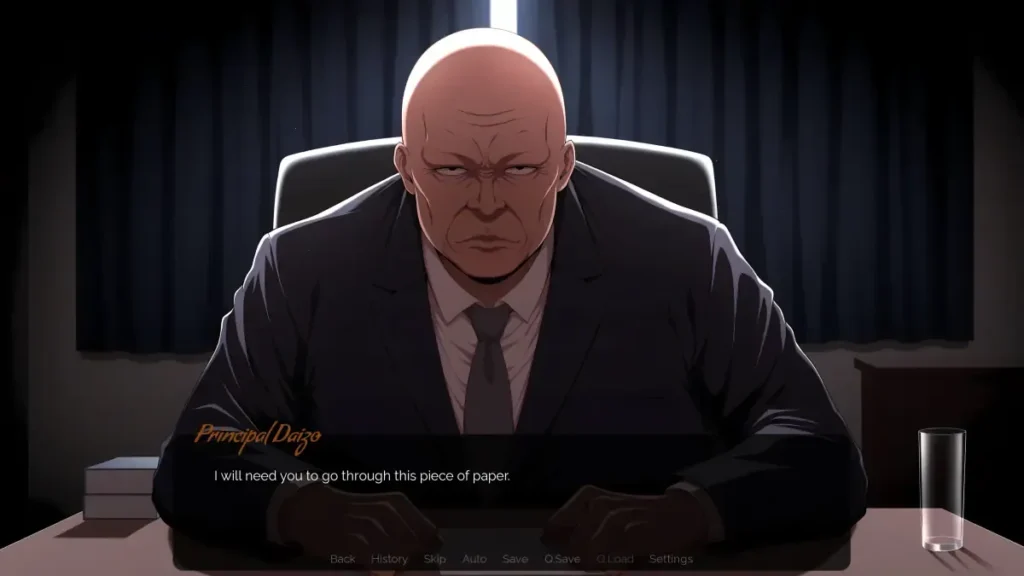
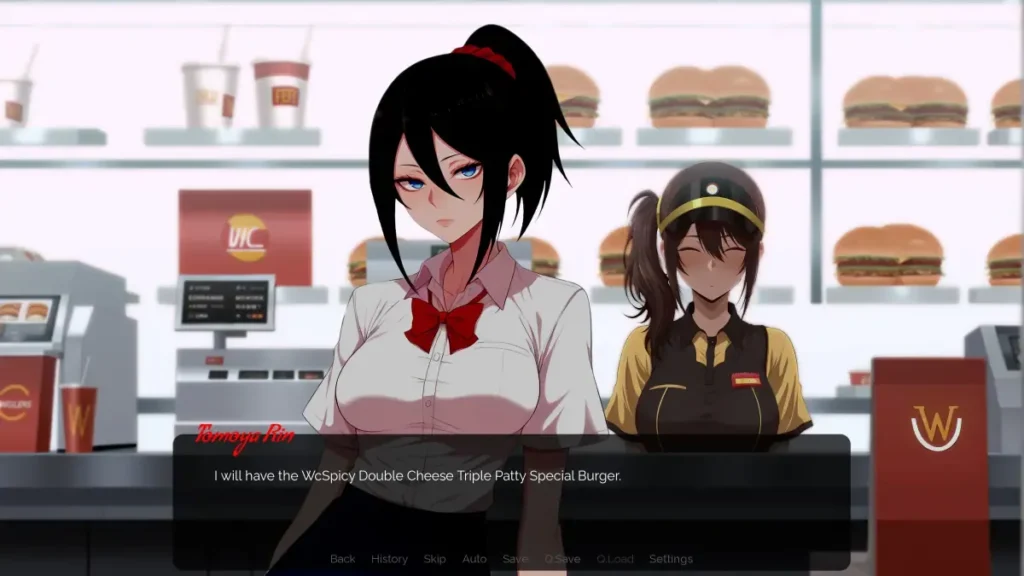
Aperture stands as a unique interactive experience that blends compelling narrative storytelling with engaging gameplay mechanics. Set within the prestigious Hoshino Academy, this immersive visual novel follows Keita as he navigates complex relationships, emotional challenges, and a gripping mystery centered around Rin Tomoya, the photography club president. The game excels at creating meaningful player agency where your choices directly impact character relationships, story outcomes, and the overall narrative arc. Whether you’re drawn to deep character development, puzzle-solving mechanics, or emotionally charged storytelling, Aperture delivers a multifaceted experience that rewards exploration and replayability. This comprehensive guide walks you through everything you need to know about the game’s core features, gameplay systems, and what makes it a memorable interactive experience.
Understanding Aperture’s Core Gameplay Mechanics
Ever felt like you’re not just playing a game, but having a silent, deeply personal conversation with its world? That’s the magic of Aperture gameplay mechanics. Forget complex button combos or inventory management; here, your mind is the primary tool. Every action, from placing a simple portal to launching a weighted cube, is a word in a dialogue between you and the narrative. This guide is your key to becoming fluent. We’re breaking down the core systems that make Aperture more than a visual novel—it’s a tactile, intellectual journey where solving a spatial puzzle is how you turn the page.
How Portal Creation and Spatial Puzzles Define the Experience
Right from the start, Aperture hands you its defining language: the portal device. This isn’t just a gun; it’s your paintbrush, your pen, your means of rewriting the rules of reality. The core concept is elegant in its simplicity: fire a blue portal onto one flat, white surface, an orange portal onto another, and step through to instantly bridge the gap. But my goodness, does that simplicity unravel into beautifully complex portal creation puzzle solving.
I remember my first real “aha!” moment. Staring at a chamber with a crucial switch on a distant, inaccessible ledge, I felt stuck. The path was a dead end. Then it clicked: I fired a portal at the wall behind me and another on the ceiling directly above the switch. I dropped a cube through the ceiling portal, and it fell from the wall portal behind me, landing perfectly on the switch. The room whirred to life. That’s the genius. You’re not just connecting points A and B; you’re teaching yourself to see space as malleable, a canvas to be folded.
This system forms the absolute bedrock of the Aperture gameplay mechanics. Every chamber is a locked thought, and your portals are the key. Success depends on:
* Surface Analysis: Not every wall is portal-friendly. Learning to identify the sleek, white panels is step one.
* Spatial Reimagining: Can’t reach a door? Maybe the door can reach you. Think in loops, shortcuts, and impossible angles.
* Pathway Creation: Often, the puzzle isn’t about where you need to go, but creating a path for light, a laser, or a crucial object.
Mastering this is how you stop seeing barriers and start seeing connections. It’s the first step in learning how to solve Aperture puzzles, transforming you from a confused visitor into an active architect of the story’s progression. 🎯🚪
Mastering Momentum Conservation and Object Interaction
If portals are the grammar, then momentum conservation mechanics are the poetry of Aperture. This is where the game stops being clever and starts feeling like pure physics witchcraft. The rule is glorious: when you move through a portal, you retain your speed and direction. Fall from a great height into a floor portal, and you’ll shoot out of a wall portal like a human cannonball. This isn’t just for show—it’s essential for reaching those maddeningly out-of-reach platforms and solving kinetic energy puzzles.
My most memorable fail—and subsequent victory—came from this. A high platform taunted me, with no stairs or lifts in sight. I placed a portal on the floor directly beneath it and another on a distant, high wall. I then climbed to a ledge, took a running jump off, and plummeted toward the floor portal. For a split second, I panicked, thinking I’d misjudged. Then I erupted from the wall portal with tremendous speed, sailing gracefully through the air to land perfectly on the target. The thrill was unmatched! This momentum conservation mechanics principle forces you to think cinematically, using gravity and velocity as tools in your kit.
This directly ties into the object interaction systems. You’re not alone in these chambers. Weighted cubes, energy balls, and movable platforms are your silent companions. The interaction is deliberately physical and deliberate:
* Pick Up & Place: The core loop. A cube on a button is the most fundamental lock and key.
* Redirecting Energy: You might need to carry a cube to block a toxic slurry, or use it to reflect a laser onto a receiver.
* Momentum Transfer: This is the advanced class. Launch a cube through a portal with stored speed to hit a distant switch you can’t reach. The object interaction systems are how you extend your will into the environment.
Think of yourself not as a player, but as a director of physics. Every action, every thrown cube, every calculated fall, is a scene you’re choreographing. 🧱⚡
Environmental Analysis and Problem-Solving Strategies
Walking into a new Aperture chamber can be overwhelming. Panels, buttons, toxic pools, laser grids, distant exits… where do you even start? This is where environmental puzzle analysis becomes your most vital skill. The game doesn’t hold your hand with glowing waypoints. Instead, it trusts you to observe, deduce, and plan. The story is told through the architecture, and every puzzle is a paragraph waiting to be read.
The first thing I do in any new room is stand still and look. I’m performing a silent environmental puzzle analysis:
1. Identify the Goal: Where is the exit? Is it locked? What is it locked by? This is your destination.
2. Catalog the Tools: What elements are in the room? Buttons, cubes, lasers, light bridges, aerial faith plates (those fun launch pads)? Where are the portal-friendly surfaces?
3. Decipher the Obstacles: What’s stopping me? A gap? A lack of a cube? An unpowered door? Often, the solution involves using one element to neutralize another.
Here’s a personal strategy that saved me hours of frustration: Work Backwards. Look at the final step—activating the door. What does it need? A laser? Find the receiver. Does the receiver need power? Trace the laser’s potential path back to its source. This reverse-engineering approach cuts through the noise and reveals the elegant chain of cause-and-effect the designers laid out.
To consolidate your understanding, here’s a reference table for the core Aperture gameplay mechanics:
| Core Mechanic | Player Action | Primary Purpose |
|---|---|---|
| Portal Creation | Placing two linked portals on flat, white surfaces. | Redefining spatial paths for the player, objects, and energy to enable portal creation puzzle solving. |
| Momentum Conservation | Moving or falling through portals while maintaining velocity. | Reaching distant areas and solving kinetic puzzles using stored speed and gravity. |
| Object Interaction | Picking up, carrying, and placing weighted cubes and other elements. | Activating switches, blocking hazards, and redirecting energy as part of the object interaction systems. |
| Environmental Analysis | Observing chamber layout, materials, and element positions. | Forming a plan by understanding the puzzle’s components and their relationships, a key part of how to solve Aperture puzzles. |
Beyond the basics, your greatest tool is curiosity. The silent protagonist role is perfect here—your agency isn’t in dialogue choices, but in your actions. Defying implied instructions, peeking around corners, and testing the limits of the physics often leads to hidden pathways or elegant alternate solutions. This exploration is interaction. It’s how you piece together the mystery of the world and your place in it.
Finally, don’t overlook the Aperture game difficulty modes. Replaying the game on a higher difficulty isn’t just about harder puzzles; it’s a new layer of environmental puzzle analysis. These modes often introduce new constraints or additional puzzle layers, demanding even more creative applications of the core mechanics. They offer brilliant alternate solutions that can make you see a familiar chamber in a completely new light, adding immense replay value and deeper mastery. And once you’ve conquered the story, seek out the Director’s Commentary mode. It’s a fantastic post-game feature that peels back the curtain on the design intent behind the very puzzles you just solved, enriching your appreciation for the craft.
Remember, every jump, every placed portal, every carried cube is a word in your dialogue with Aperture. The Aperture gameplay mechanics are designed to be diegetic—they aren’t separate from the story; they are the story. Mastering the dance of momentum conservation mechanics, the logic of portal creation puzzle solving, and the keen eye of environmental puzzle analysis is how you move from passive observer to active participant. This mastery does more than open doors; it unlocks the emotional core of the narrative, making your journey through its haunting, beautiful world an experience you truly authored yourself. 🔑🧠
Aperture represents a masterclass in blending interactive storytelling with engaging gameplay mechanics, creating an experience that resonates with players seeking depth and meaningful agency. From its innovative portal-based puzzle systems to its emotionally charged narrative centered on Rin Tomoya and the mysteries of Hoshino Academy, the game delivers on multiple fronts. The meaningful choice architecture ensures that your decisions carry tangible weight, affecting character relationships, unlocking secret story routes, and fundamentally altering how the narrative unfolds. The extensive replayability features, including multiple endings, challenge modes, and hidden content, provide compelling reasons to return to the game and discover new story paths. Combined with its cinematic animation, atmospheric sound design, and meticulous attention to environmental detail, Aperture creates an immersive world that feels alive and responsive to player actions. Whether you’re drawn to puzzle-solving, character development, or emotionally complex storytelling, Aperture offers a unique interactive experience that rewards exploration, mastery, and emotional investment in its world and characters.